Browse articles on EyeWorld.org from the Cornea section. EyeWorld is the award-winning member publication of ASCRS. The magazine provides news and updates from the Society as well as clinical features in the areas of cataract, refractive, cornea, glaucoma, and practice management. It publishes quarterly with editorial direction from its medical editorial board and staff.
“To take something known and look at it from a new direction, to question our view of reality, to wonder, these are the strengths of children, but also of innovators,” said Julie Schallhorn, MD, introducing and commenting on the articles in the Cornea section of this issue.
Amniotic membrane products can be a valuable tool to aid in the treatment of a variety of corneal diseases and can be added to other treatments to help patients find relief. Two ophthalmologists discussed the different types of products available and best applications.
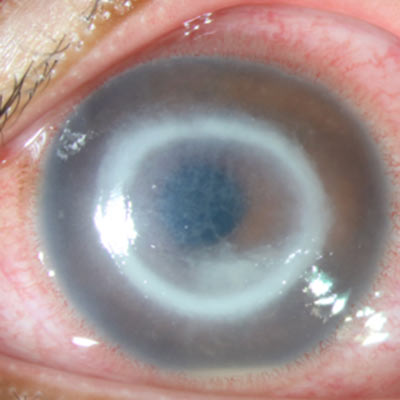
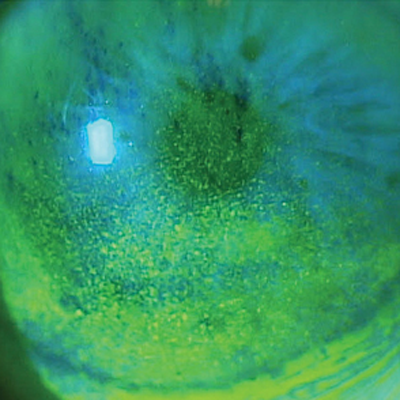
Ophthalmologists, particularly corneal specialists, may encounter a variety of pathogens that can cause infectious keratitis. Two of these specialists went into detail on some of the infections, including those that may be considered “atypical,” and how to identify and diagnose them.
A pair of recent studies from the Diabetes Endothelial Keratoplasty Study Group published in JAMA Ophthalmology found that diabetes status did not affect success of DMEK outcomes overall, nor did it result in greater endothelial cell loss when compared to tissue from a donor without diabetes.
“The proper management of ocular surface disease (OSD) is a cornerstone for successful anterior segment surgery and overall ocular health,” said Chief Medical Editor Sumit “Sam” Garg, MD, introducing this special bonus issue on dry eye and ocular surface disease.
Cornea Editor Julie Schallhorn, MD, shared her thoughts on the diagnosis and treatment of ocular surface disease, “one of the most vexing issues in ophthalmology.”
Two physicians discussed the importance and contribution of the tear film to the optical system, how they assess it, and the approach they take to tear film instability.
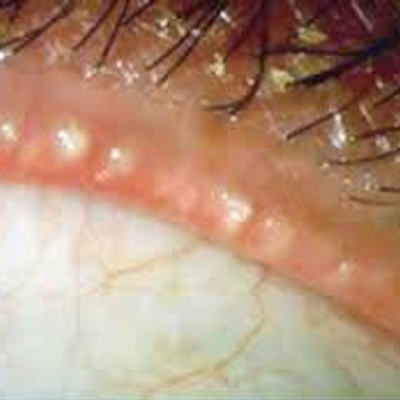
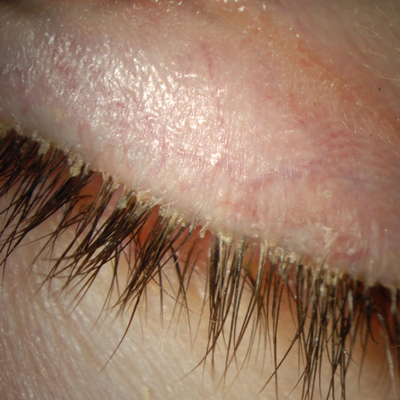
When considering patients with dry eye, it is imperative for physicians to understand the types of dry eye disease in order to best address a patient’s issues and choose an appropriate treatment. Two specialists discussed in depth dry eye sub-types and their identification.
Several years ago, the ASCRS Cornea Clinical Committee created the ASCRS Preoperative OSD Algorithm because of the lack of awareness and consensus regarding recommendations on ocular surface disease. The Committee is currently working on updates to the algorithm as new therapies have been introduced.
The ocular surface impacts many ophthalmic subspecialties beyond cornea. Whether it’s within refractive surgery, cataract surgery, glaucoma therapy, or retina procedures, the ocular surface can affect outcomes for patients being treated by these subspecialists. Several anterior segment ophthalmologists spoke about the ocular surface and how it relates to their subspecialty.