A momentous year
Dr. Braga-Mele discussed the influence that ASCRS and EyeWorld have had on her career and previewed the articles in the Cataract section.
Comments Off on A momentous year
August 11, 2021

Browse articles on EyeWorld.org from the Cataract section. EyeWorld is the award-winning member publication of ASCRS. The magazine provides news and updates from the Society as well as clinical features in the areas of cataract, refractive, cornea, glaucoma, and practice management. It publishes quarterly with editorial direction from its medical editorial board and staff.

Dr. Braga-Mele discussed the influence that ASCRS and EyeWorld have had on her career and previewed the articles in the Cataract section.

Two surgeons shared how they educate patients about the options available and the process they use to choose a lens.

Biometry is essential for IOL power calculations, but when might you need a new biometer? What is there to know about this technology, how it evolved, and where it is today? Three experts gave their thoughts on the topic.
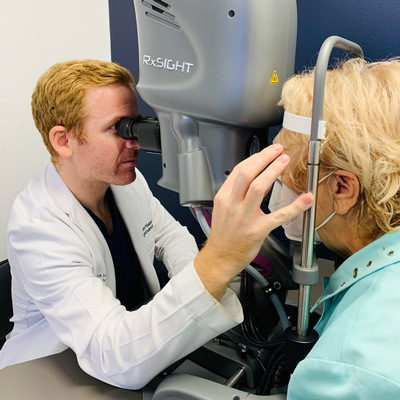
The Light Adjustable Lens (LAL, RxSight) offers the unique opportunity to lock in the preferred vision after surgery. With recent updates, the technology can be an attractive option for a variety of refractive cataract patients. Several surgeons discussed how they use this IOL in their practice.
Rosa Braga-Mele, MD, Cataract editor, introduces some of the articles in the issue and shares what she is most excited about at the upcoming ASCRS Annual Meeting.
Three physicians discuss how they help patients on their journey as they seek out a toric or presbyopia-correcting IOL.
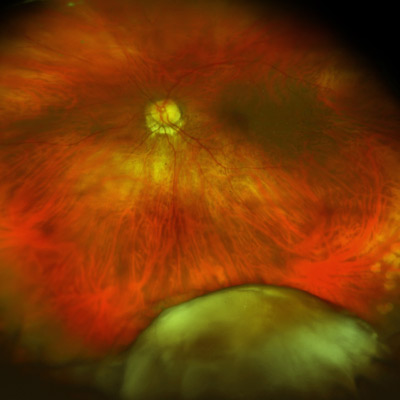
Dropped nuclei are one of the more unpleasant complications that can happen during cataract surgery. While uncommon, the consequences of a dropped nucleus are significant. Three experts shared their experiences and management strategy.
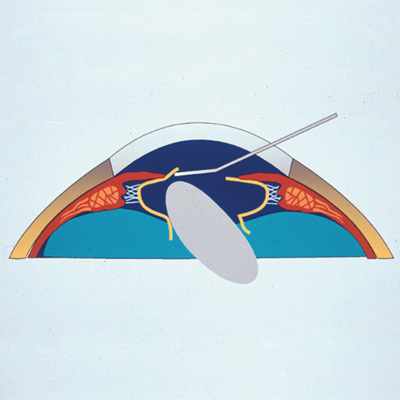
Ronald Yeoh, MD, first coined the term “pupil snap sign” in 1996. Since then, he has been calling attention to the somewhat subtle sign to help surgeons recognize when there has been a posterior capsule rupture that puts the nucleus at risk of dropping into the vitreous.

When a patient comes in prior to cataract surgery, it’s important to do a careful evaluation to see what conditions they might have and how this could impact IOL selection. Two physicians discussed conditions to be aware of when considering presbyopia-correcting IOLs and how to talk to patients prior to surgery.

There are many potential complications cataract surgeons need to prepare for in the OR. One of them is zonulopathy. “Recognizing zonulopathy and adopting strategies to mitigate zonular damage is critically important not only for short-term success but perhaps more importantly, long-term success to reduce the risk of late IOL dislocation,” said D. Brian Kim, MD.

Get the latest ophthalmology news delivered to your inbox every Friday.