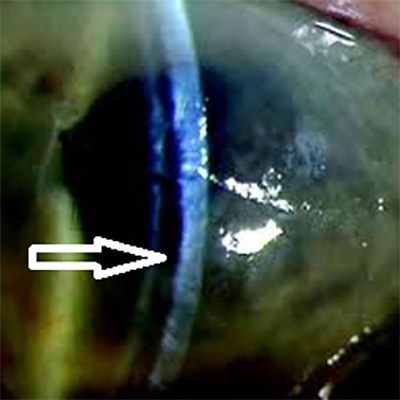
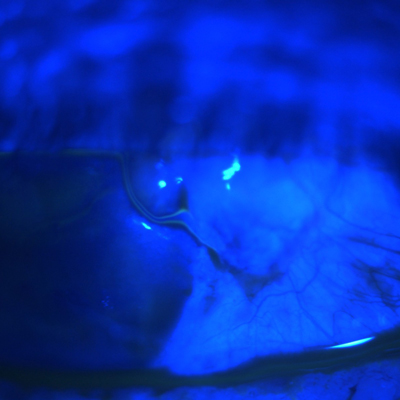
Identifying EBMD: Looking for blurry vision and other signs
While common, EBMD is often missed, so it’s important to look for it. It can be one of the more frequently diagnosed causes of blurry vision before or after cataract surgery.
Myopia has been described as an epidemic in many regions for some time. Though considered easily correctable with glasses, myopia and high myopia are associated with a risk of developing cataracts sooner and a higher risk for glaucoma and retinal issues.
Cornea Editor Clara Chan, MD, discussed challenges of the past year, as well as the challenge of handling complicated cases.
A graft detachment is a fairly common complication that can occur with DSAEK and DMEK procedures. Two surgeons shared when detachments can happen and how to address them.
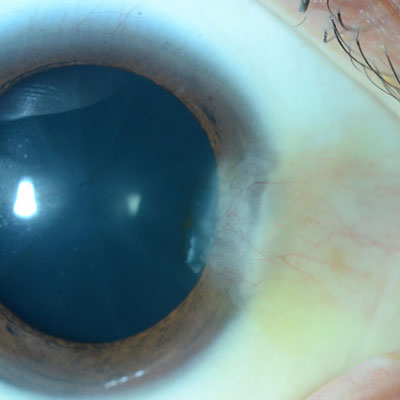
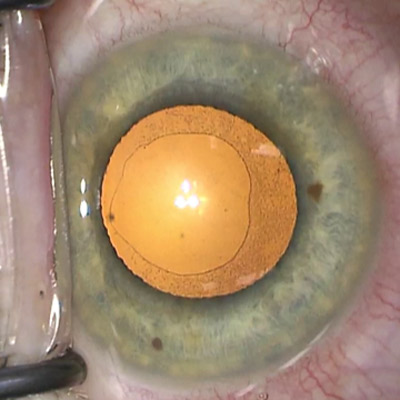
It’s important for surgeons to be aware of preexisting corneal conditions that could have an impact on outcomes prior to cataract surgery. Several experts spoke about some of the conditions to look for, tests to use, and how to treat before proceeding with cataract surgery.
Patients may describe ocular surface pain in a myriad of ways. For some reason, the corneal nerves are firing. It’s the physician’s job to figure out why, and in some cases, the reason is not so clear.
Less than 10 years ago, the idea that you could preserve vision and achieve corneal clearance in a patient with Fuchs without donor tissue was met with skepticism. Now this idea is increasingly accepted and adopted. Descemet’s stripping only (DSO), where a descemetorhexis is made in Descemet’s membrane without keratoplasty, was introduced in the mid-2010s.
Nathan Radcliffe, MD, shared his thoughts on the management of glaucoma and previewed the articles in the section.
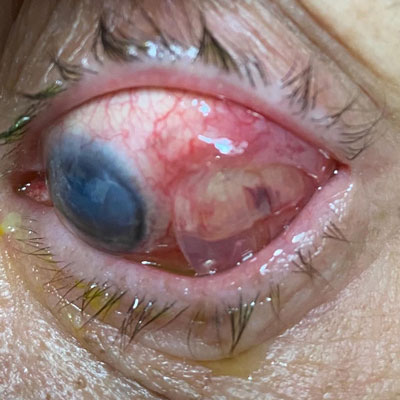
A tube shunt erosion or exposure is a complication that can occur oftentimes many years after surgery. Several experts discussed what to look for, why this complication occurs, and how to address it.
A patient may be at risk for a bleb leak after trabeculectomy, either in the early postop period or years after surgery. One surgeon shared considerations for this potential complication, how she monitors patients, and what to do if a bleb leak does occur.