
Looking back on the past year
Refractive Editor Vance Thompson, MD, discusses the impact from COVID-19 over the past year, as well as changes to practice and ophthalmology as a whole.
Browse articles from EyeWorld.org related to refractive surgery. EyeWorld is the award-winning member publication of ASCRS. The magazine provides news and updates from the Society as well as clinical features in the areas of cataract, refractive, cornea, glaucoma, and practice management. It publishes quarterly with editorial direction from its medical editorial board and staff.
Refractive Editor Vance Thompson, MD, discusses the impact from COVID-19 over the past year, as well as changes to practice and ophthalmology as a whole.
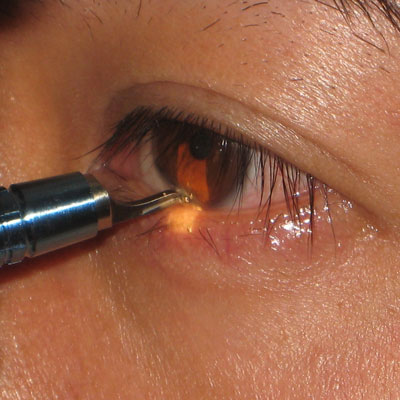
Astigmatic keratotomy (AK) and limbal relaxing incisions (LRIs) are tools that can be used by surgeons to help correct low levels of astigmatism. Two surgeons discussed how these can reduce astigmatism and how they’re using them in practice.
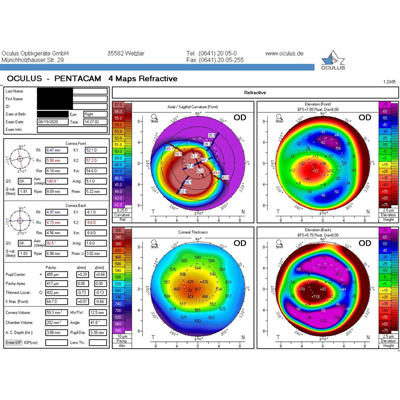
Epithelial thickness mapping was FDA approved in the U.S. in 2017, but awareness about its utility is growing. Three international ophthalmologists shared their experience with the technology and offered insights on where they think it fits in ophthalmic practices now and in the future.
Corneal ectasia after laser vision corrected was first reported in 1998, and since them, preop screening and treatment parameters have improved to help avoid the complication. The incidence of post-LASIK ectasia is not officially known. Experts discussed this incidence and how to determine candidates for refractive surgery.
When it comes to premium lenses, patients have high expectations for great outcomes. Three physicians discussed some of the technologies they use preoperatively, intraoperatively, and postoperatively to help achieve excellent outcomes.
After being forced to close for several months because of the COVID-19 pandemic, many ophthalmologists had to make adjustments to practices in the clinic and surgery when they reopened. EyeWorld spoke to several surgeons about what they’ve seen in terms of LASIK numbers since reopening, with many noting that they’ve actually seen an uptick in this procedure.
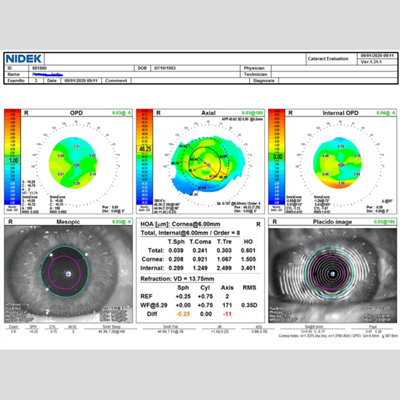
Managing astigmatism at the time of cataract surgery is a weighty topic with many variables. What technology to measure astigmatism—power and axis? How many measurements to take for reliability? How to ensure accuracy and consistency of measurements? What course of correction to take?
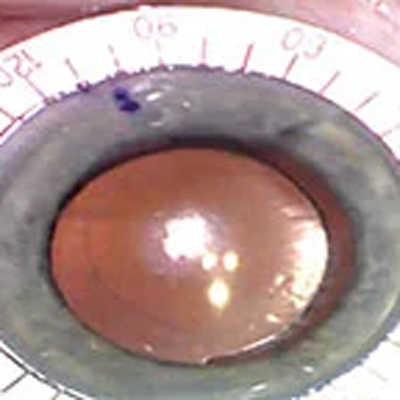
Whether astigmatic correction was targeted in cataract surgery or not, there is always a risk for residual astigmatism postop. When to address this astigmatism—and how—depends on several factors, including patient perception, healing time, trust in measurements, and more.
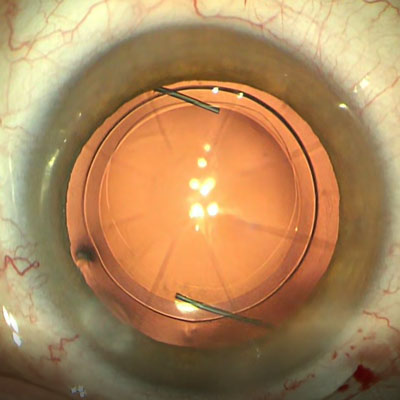
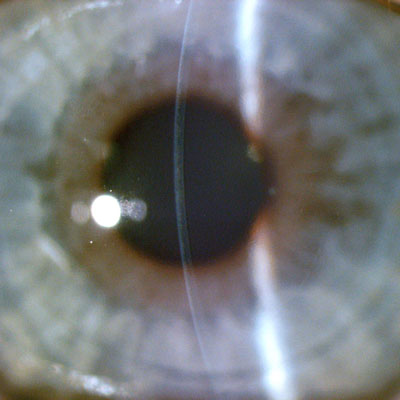
Though FDA approved, the Light Adjustable Lens (LAL, RxSight, Aliso Viejo, California) is not yet currently available in the U.S. Robert Maloney, MD, Los Angeles, John Doane, MD, Leawood, Kansas, David F. Chang, MD, Los Altos, California, and Kevin Waltz, MD, Indianapolis, discussed their experience with the lens in clinical trial, how it works, and for what corrections it has approval.
The SMILE (small incision lenticule extraction) procedure (Carl Zeiss Meditec, Jena, Germany) is increasing in popularity, with many studies on its results and how it compares to LASIK. Though it does not have as long of a track record as LASIK, which has been used for around 2 decades, SMILE is gaining ground, with particular application for patients with myopia.