MSICS and its place in the hands of young eye surgeons
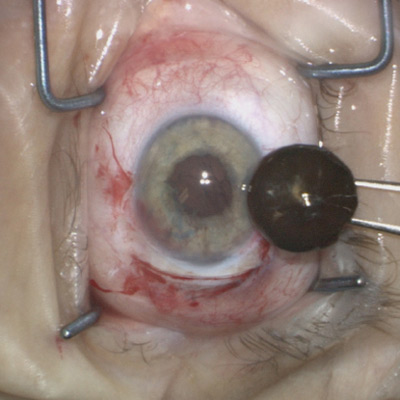
Experts agree that manual small incision cataract surgery has a role in regular practice and training programs, even in developed countries.
Browse articles from EyeWorld 2018 issues. EyeWorld is the award-winning member publication of ASCRS. The magazine provides news and updates from the Society as well as clinical features in the areas of cataract, refractive, cornea, glaucoma, and practice management. It publishes quarterly with editorial direction from its medical editorial board and staff.
Experts agree that manual small incision cataract surgery has a role in regular practice and training programs, even in developed countries.
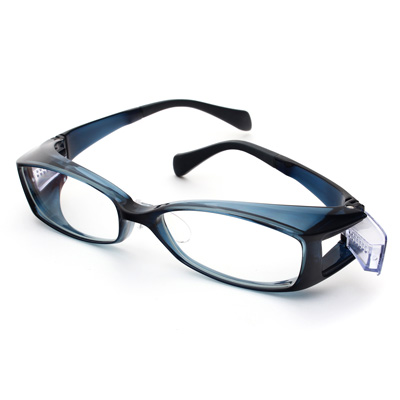
Though not new, moisture chamber glasses are seeing a resurgence for the treatment of dry eye.
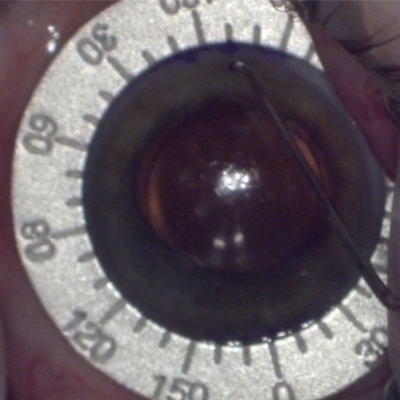
How to manage toric IOL rotation postoperatively and preventative measures to take intraoperatively
Many practitioners are now reaching for Xiidra (lifitegrast, Shire, Lexington, Massachusetts) 5% for dry eye cases, but sometimes a patient may not initially be considered a success. Here’s what leading practitioners are doing to help more patients find respite with Xiidra.
Though FDA approved, the Light Adjustable Lens (LAL, RxSight, Aliso Viejo, California) is not yet currently available in the U.S. Robert Maloney, MD, Los Angeles, John Doane, MD, Leawood, Kansas, David F. Chang, MD, Los Altos, California, and Kevin Waltz, MD, Indianapolis, discussed their experience with the lens in clinical trial, how it works, and for what corrections it has approval.
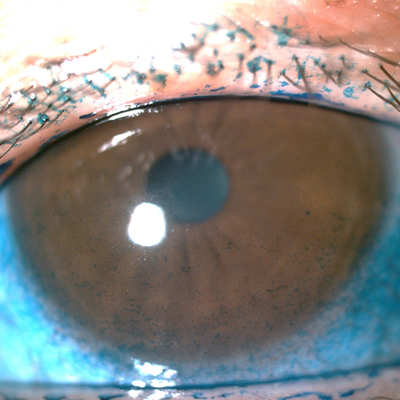
Two experts share diagnostic pearls to follow and pitfalls to avoid to accurately diagnose this condition.
The right questions can be key to the early and correct diagnosis of various types of conjunctivitis.
Hyperacute bacterial conjunctivitis requires prompt diagnosis and treatments because in some cases, the organisms at fault could cause a life-threatening secondary condition.
About 1 in 5 Americans use antidepressants or anti-anxiety medications. With that large percentage, ophthalmologists probably encounter patients daily who use or have used these medications.
Today the goal of cataract surgery is to provide patients with the best possible quality of vision. While it is common to see patients post-cataract surgery with a visual acuity (VA) of 20/20, many patients remain dissatisfied with their quality of vision. This is due to several factors, including problems with the ocular surface, pseudophakic dysphotopsia, and optical aberrations in general.