Placing hooks, rings, and things
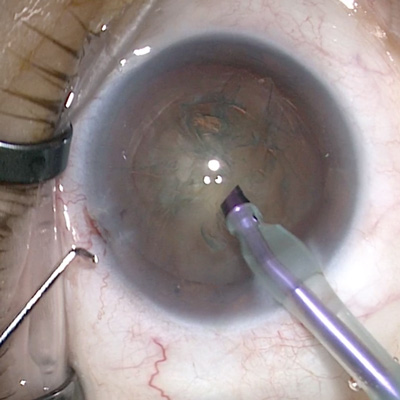
Hooks and expansion rings can be an ophthalmologist’s partner when performing phacoemulsification.
Comments Off on Placing hooks, rings, and things
May 1, 2020

All articles from EyeWorld.org on the topic of cataract surgery. EyeWorld is the award-winning member publication of ASCRS. The magazine provides news and updates from the Society as well as clinical features in the areas of cataract, refractive, cornea, glaucoma, and practice management. It publishes quarterly with editorial direction from its medical editorial board and staff.
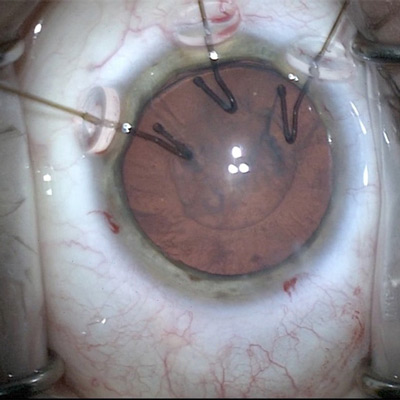
Hooks and expansion rings can be an ophthalmologist’s partner when performing phacoemulsification.

Dense white cataracts and mature brunescent cataracts can make surgery particularly challenging, yet the reward comes once patients can see again. EyeWorld spoke with several seasoned surgeons to find out how they manage these types of cataracts.
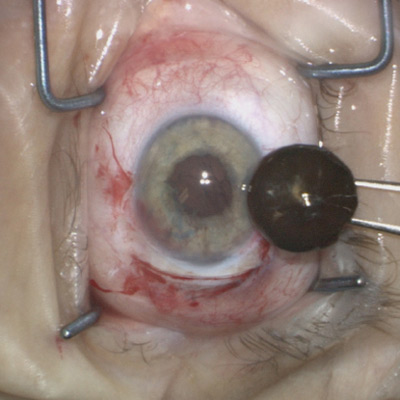
Experts agree that manual small incision cataract surgery has a role in regular practice and training programs, even in developed countries.

Though FDA approved, the Light Adjustable Lens (LAL, RxSight, Aliso Viejo, California) is not yet currently available in the U.S. Robert Maloney, MD, Los Angeles, John Doane, MD, Leawood, Kansas, David F. Chang, MD, Los Altos, California, and Kevin Waltz, MD, Indianapolis, discussed their experience with the lens in clinical trial, how it works, and for what corrections it has approval.

Today the goal of cataract surgery is to provide patients with the best possible quality of vision. While it is common to see patients post-cataract surgery with a visual acuity (VA) of 20/20, many patients remain dissatisfied with their quality of vision. This is due to several factors, including problems with the ocular surface, pseudophakic dysphotopsia, and optical aberrations in general.

Missed target, dysphotopsia, malpositioning, patient dissatisfaction: There is a myriad of reasons for an IOL exchange. In these cases, the surgeon needs to give the patient hope for a better outcome while also setting realistic expectations.
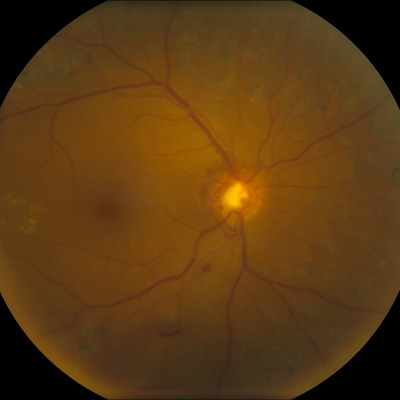
Cataract surgery in a patient with diabetes requires special considerations, careful examination, and it may be helpful to have a retina specialist involved.
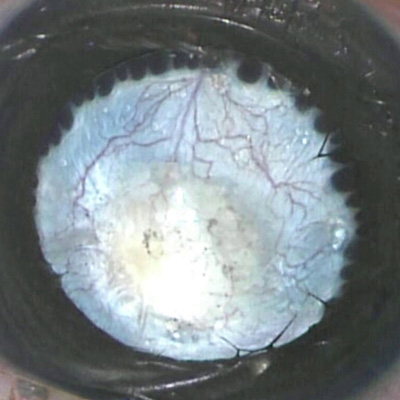
This rare, congenital, developmental anomaly requires specific and nuanced management to prevent various complications that can occur if left untreated.

Do MSICS and other extracapsular cataract extraction (ECCE) techniques have a place in developed countries where phaco is available, affordable, and the well-established gold standard? Is it something that should be taught in training? Is it a skill to be maintained?
Meeting the challenges that come with eyes of long axial lengths

Get the latest ophthalmology news delivered to your inbox every Friday.