Phakic IOLs: Not perfect, but viable options

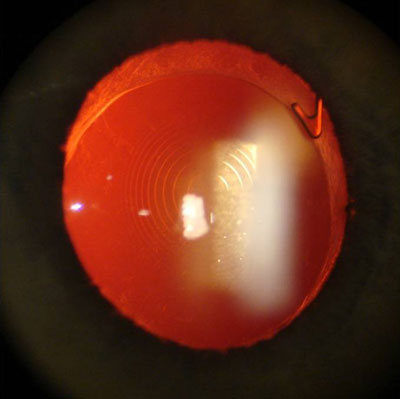
The correction of high myopia is limited, but phakic IOLs do provide a surgical option. "For many years we have been looking for a quality anterior chamber phakic IOL that could be easily performed in a clean room rather than an operating room," said Eric D. Donnenfeld, MD, partner at Ophthalmic Consultants of Long Island, Rockville Centre, N.Y., and clinical professor of ophthalmology, New York University Medical School.

Comments Off on Phakic IOLs: Not perfect, but viable options

Treating, eliminating negative dysphotopsia

The best way to treat negative dysphotopsia remains a hot topic among surgeons. Negative dysphotopsia that occurs right after cataract surgery is usually best left to resolve on its own. However, if the problem continues a few months after surgery, ophthalmologists must step in to provide a treatment. Their treatment approach usually depends on what they suspect is the cause.

Comments Off on Treating, eliminating negative dysphotopsia

A clear-eyed view of preservatives in tears

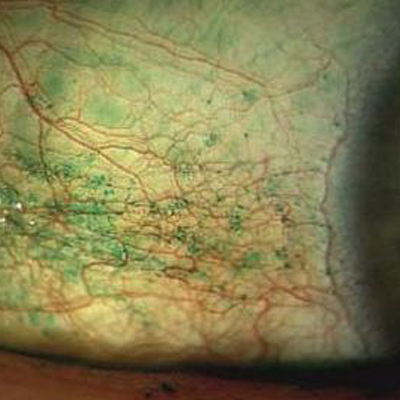
Using artificial tears is a fact of life for many patients with dry eye disease, according to Vincent P. de Luise, MD. Debra Schaumberg, ScD, OD, from the Harvard School of Public Health, has reported that between 25 and 40 million Americans have some level of dry eye, Dr. de Luise said, and virtually all of these patients are using artificial tears.

Comments Off on A clear-eyed view of preservatives in tears

Post-operative management of corneal crosslinking patients

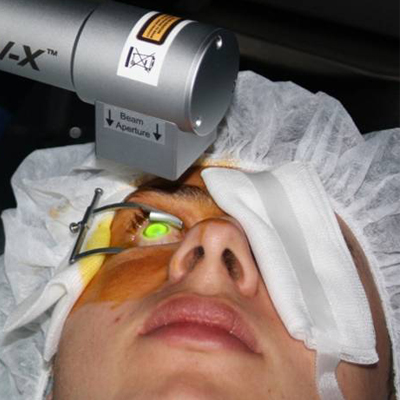
The success of any surgical intervention depends as much on postoperative care and management as it does on the surgical procedure itself. This undoubtedly also holds true for corneal crosslinking. At our hospital, we have been performing corneal crosslinking with the IROC illumination system since the development of the first prototype and continue to use the latest UV-X 2000 crosslinking device.

Comments Off on Post-operative management of corneal crosslinking patients