Understanding chronic conjunctivitis
The right questions can be key to the early and correct diagnosis of various types of conjunctivitis.
Comments Off on Understanding chronic conjunctivitis
May 1, 2018


The right questions can be key to the early and correct diagnosis of various types of conjunctivitis.

Hyperacute bacterial conjunctivitis requires prompt diagnosis and treatments because in some cases, the organisms at fault could cause a life-threatening secondary condition.

About 1 in 5 Americans use antidepressants or anti-anxiety medications. With that large percentage, ophthalmologists probably encounter patients daily who use or have used these medications.

Today the goal of cataract surgery is to provide patients with the best possible quality of vision. While it is common to see patients post-cataract surgery with a visual acuity (VA) of 20/20, many patients remain dissatisfied with their quality of vision. This is due to several factors, including problems with the ocular surface, pseudophakic dysphotopsia, and optical aberrations in general.

Dry eye is the single most common reason that patients come into a practitioner’s office, with a prevalence of around 40% of those seeking ophthalmic care, according to Hank Perry, MD, Ophthalmic Consultants of Long Island, New York. What may not be clear in an office visit is that the patient’s sleep position may be a prime factor in his or her condition.
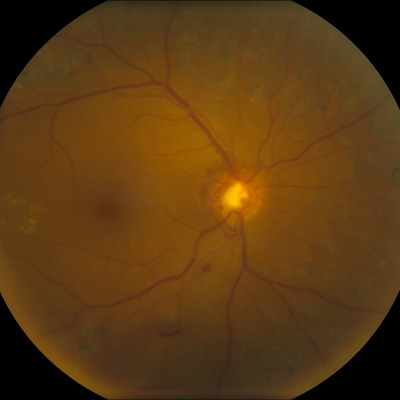
Cataract surgery in a patient with diabetes requires special considerations, careful examination, and it may be helpful to have a retina specialist involved.

Experts discuss the role of topical steroids in HSV keratitis, which medications are recommended in these cases, what to look for to diagnose these patients, and how to taper or continue to treat the problem.

Described as a “hybrid” MIGS device, surgeons discuss the XEN Gel Stent, patient selection, the surgical technique, and more.
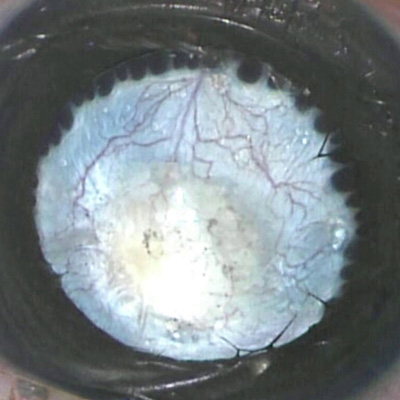
This rare, congenital, developmental anomaly requires specific and nuanced management to prevent various complications that can occur if left untreated.
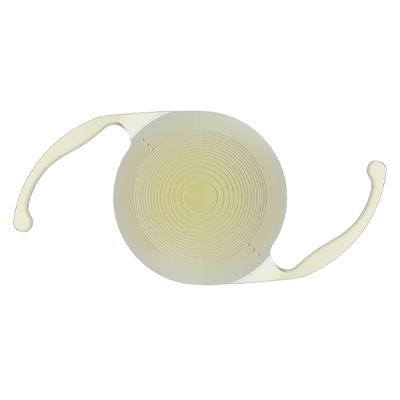
When multifocal lenses were first introduced, they were heralded as a means of providing both near and distance vision improvements for patients undergoing cataract surgery. These IOLs feature two main foci, but patients continually demanded better intermediate vision. In today’s world, one could argue intermediate vision is even more crucial than near for performing daily tasks such as using a computer, tablet, or smartphone.

Get the latest ophthalmology news delivered to your inbox every Friday.