Browse articles on EyeWorld.org from the Glaucoma section. EyeWorld is the award-winning member publication of ASCRS. The magazine provides news and updates from the Society as well as clinical features in the areas of cataract, refractive, cornea, glaucoma, and practice management. It publishes quarterly with editorial direction from its medical editorial board and staff.
MIGS has continued to expand in its application for a wide variety of patients with varying degrees of glaucoma. Several physicians discussed where various MIGS procedures fit into interventional glaucoma, including applications for standalone MIGS and how it continues to play a role in conjunction with cataract surgery.
Two glaucoma specialists spoke with EyeWorld about the current role of SLT, as well as products in development and further research in the glaucoma laser space.
While glaucoma treatment is shifting toward a more interventional approach, two physicians said the use of drop therapy is alive and well. It is trending toward being an adjunctive therapy as more ophthalmologists are beginning to figure out what pharmaceutical and procedural combinations best suit their patients.
Many MIGS procedures are proving useful and accessible not just to the glaucoma specialist but to comprehensive ophthalmologists as well. Two ophthalmologists discussed who should be performing glaucoma surgery, as well as ways to learn and stay fresh with some of these techniques.
While ophthalmologists agree that glaucoma drops are not likely to go extinct as part of glaucoma management, recent innovation continues to shift their place in many physicians’ glaucoma treatment algorithm. One of these disruptive innovations is sustained drug delivery.
Two experts weighed in on the topic.
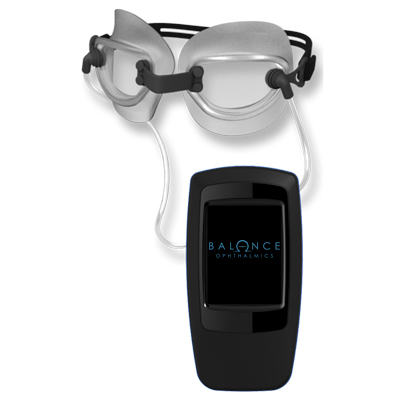
In June 2024, the FDA approved the FSYX Ocular Pressure Adjusting Pump by Balance Ophthalmics, making it the first non-surgical, non-pharmaceutical, IOP-lowering therapy for patients with open angle glaucoma. Physicians shared how they are excited about being able to lower IOP safely in normal tension glaucoma patients with accompanying nocturnal IOP elevations.
Glaucoma Editor Manjool Shah, MD, previewed the articles in the section and shared his thoughts on using the past to guide the future. “However, we should not be deluded into thinking our feet are planted in cement, holding us back from achieving new heights,” he said.
In treating glaucoma, educating the patient about their disease is a crucial step. In addition to finding an appropriate treatment plan, it’s important for the patient to understand the nature of their disease. Two specialists discussed how they help patients understand glaucoma and how testing and treatments options play in.
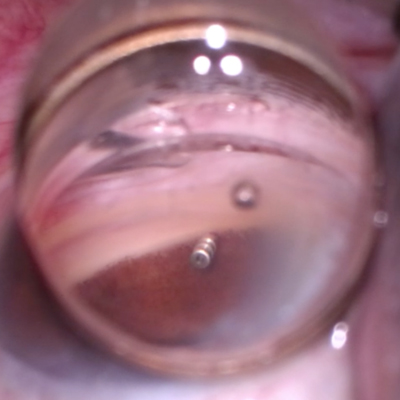
While glaucoma specialists who spoke with EyeWorld said gonioscopy remains a vital and valuable tool in the clinic, newer imaging systems can help visualize the angle as well, overcoming some limitations of gonioscopy and becoming a complementary technology.
“In this issue, we delve into some of the challenges of common glaucoma surgeries, as well as discuss exciting new technology that may provide us an opportunity to overcome barriers and provide high-quality care in a safer and more predictable fashion,” said Manjool Shah, MD, Glaucoma Editor, in his introduction.