An ode to Vance Thompson, MD
ASCRS Executive Director Steve Speares pays tribute to ASCRS Immediate Past President Vance Thompson, MD.
Comments Off on An ode to Vance Thompson, MD
July 22, 2025


ASCRS Executive Director Steve Speares pays tribute to ASCRS Immediate Past President Vance Thompson, MD.

Manual marking, digital marking, manual and digital marking—toric IOL alignment methods continue to be an important topic. Both methods still have a place, and both have their pros and cons. Four physicians discussed their preferences.

When it comes to refractive procedures, there are many options available. Several physicians discussed what they’re using and the options available, notably market penetration of the Implantable Collamer Lens (ICL, STAAR Surgical) and SMILE in different areas and how this has changed over the years.

Results from the Zoster Eye Disease Study (ZEDS) were first presented last year. This randomized clinical trial looked at the use of low dose valacyclovir for reducing complications with herpes zoster ophthalmicus. Two cornea specialists spoke to EyeWorld about the results, highlighting recently published papers on findings from the study.
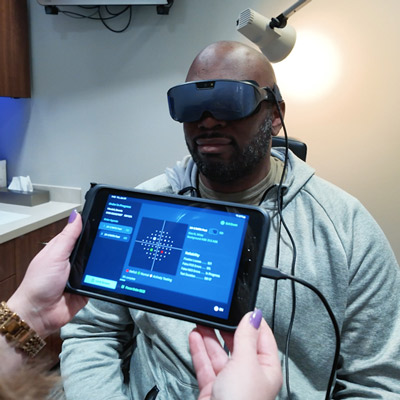
Several physicians discussed the benefits they see with virtual reality visual fields in practice and the potential for artificial intelligence in glaucoma.

Manjool Shah, MD, shared his thoughts on the topics of the Glaucoma articles: the often-asked question about the impact of lifestyle modifications, the increasingly critical imperative of sustainability in practices, and the rapidly advancing world of virtual visual fields and artificial intelligence.

The University of Chicago ophthalmology residents reviewed “Comparative evaluation of clinical results and patient-reported outcomes of enhanced monofocal and conventional monofocal intraocular lenses” from the Journal of Cataract & Refractive Surgery.
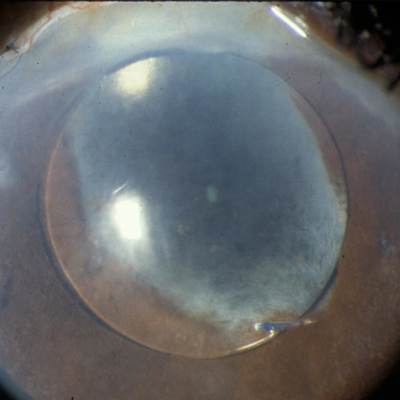
When considering uveitis and cataract surgery, you could be dealing with a patient who you know has uveitis, or you could have a patient who develops a new uveitis after surgery. Three physicians spoke about preop, surgery, and postop considerations.
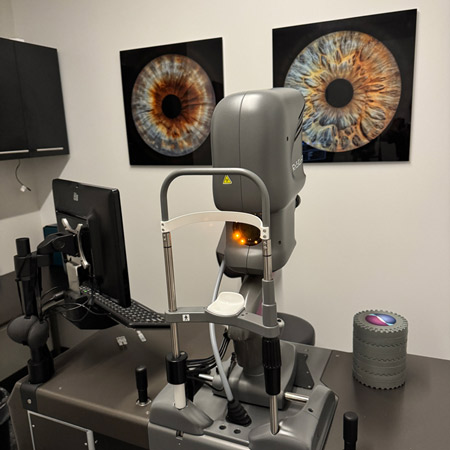
Since its approval, the Light Adjustable Lens (LAL, RxSight) has become well known for the successful outcomes that it can provide for patients. Four ophthalmologists shared their experience with the product and what they’ve learned about limitations, how to work through challenges, and more.
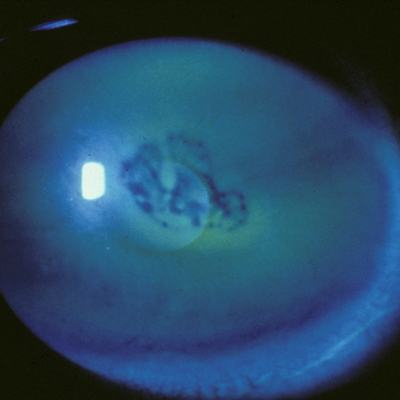
For about 7 years, there has been one FDA approved treatment for neurotrophic keratitis (NK): Oxervate (cenegermin-bkbj, Dompe). Before that, there was nothing. Now pharmaceutical options for NK—and persistent epithelial corneal defect (PCED) more generally—in the pipeline number about a half dozen.

Get the latest ophthalmology news delivered to your inbox every Friday.