Where do eye drops fit in the era of interventional glaucoma?
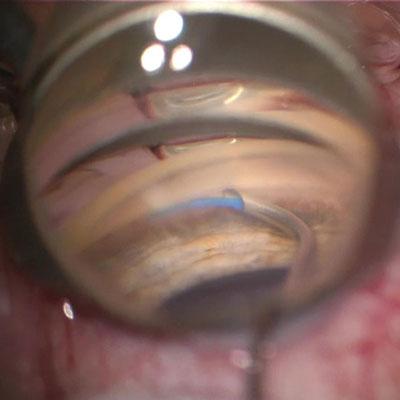
Where do drops fit in the era of interventional glaucoma—a time when there are new technologies, new drug delivery systems, and several MIGS options?
Depending on what you define as a microinvasive glaucoma surgery (MIGS), you might think it first became available several decades ago with endocyclophotocoagulation (ECP), but many define the MIGS era beginning with the iStent (Glaukos), the first ab interno trabecular microbypass device approved by the FDA in 2012.
Difficult patient conversations—frequent or few and far between—are a part of any medical career, but preparing for those conversations is not generally part of medical training.
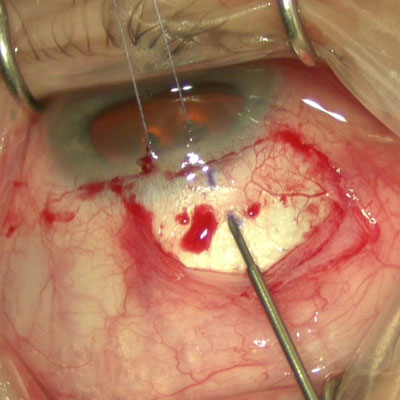
Today, there are nearly 6,000 Medicare-certified ambulatory surgery centers (ASCs) nationwide, outnumbering hospitals. The majority of these ASCs are physician-owned, but as ASC care systems evolve, there are more and more hospital and larger healthcare systems getting involved. In fact, both physician and hospital interest in ASCs is at an all-time high in 2020.
The COVID-19 pandemic and the early shutdown of non-essential medical visits propelled innovation on the front of home monitoring, diagnostics, and treatment. Some systems are available now, some in the works, and some still on ophthalmologists’ wish list.
EyeWorld spoke with several experts for a comprehensive overview of three novel glaucoma medications.
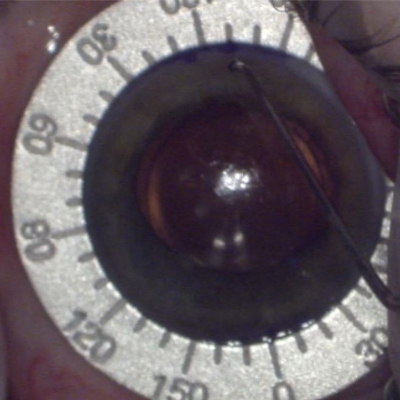
How to manage toric IOL rotation postoperatively and preventative measures to take intraoperatively
Two experts share diagnostic pearls to follow and pitfalls to avoid to accurately diagnose this condition.
Optic disc hemorrhage is a common clinical feature of glaucoma, indicating active disease with likely progression and visual field loss. Detection necessitates the utmost vigilance in patients diagnosed with glaucoma and in those who are glaucoma suspects.
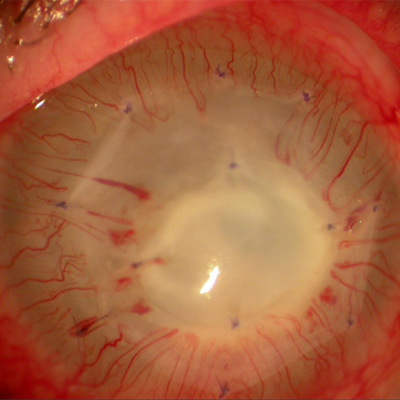
Amniotic membrane is designed for use with specific corneal and conjunctival diseases. It assists in wound healing and prevents scar tissue formation as it has powerful antifibrotic and anti-scarring properties. But some experts say it is not a substitute for a bandage contact lens.