Growth in understanding in refractive surgery
Dr. Thompson spoke about some of the advances in refractive surgery over the last 25 years and previewed the articles in the Refractive section.
The large number of patients worldwide with presbyopia creates a unique opportunity for eyecare providers to improve patients’ quality of life, according to George Waring IV, MD, FACS. He and Shamik Bafna, MD, discussed some of the surgical and pharmacological options.
This “YES connect” column examined trifocal, combined multifocal-EDOF, and accommodating technology on the horizon with input from three experts.
Improvements in IOL technologies have increased interest in refractive lens exchange, and there is more confidence among surgeons in its ability to deliver expected outcomes. Two surgeons shared their experiences in this area.
Clara Chan, MD, Cornea editor, discussed the topics covered in this section.
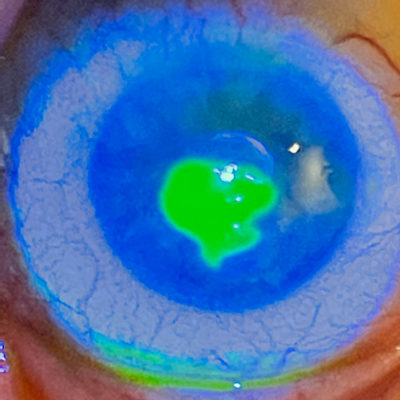
With neurotrophic keratitis (NK), there is a lot to consider in terms of staging, making a diagnosis, and treatment. Three experts shared how they work up NK patients and some of options for handling these cases.
The COVID-19 pandemic has had an impact on the screening and use of corneal donor tissue for corneal transplants. Three surgeons spoke about the evolving regulations, tissue eligible for use, and more.
“ASCRS and EyeWorld have been the cheerleaders of innovation in cataract and glaucoma surgery for many decades,” said Nathan Radcliffe, MD, Glaucoma editor said, adding later, “EyeWorld has been with me throughout my career to foster my drive for innovation.”
Though the trabeculectomy procedure is more than 50 years old, it is still considered to be the gold standard in glaucoma surgery. Leon Herndon Jr., MD, and Douglas Rhee, MD, discussed the history of trabeculectomy, how it has evolved, and how it fits into the glaucoma treatment paradigm.
When it comes to training, there are many techniques for future glaucoma surgeons to learn. In addition to traditional surgeries like trabeculectomies and tube shunts, there are MIGS procedures and other newer technologies. Ophthalmologists working in different training programs around the country commented on how they approach the surgical training experience and which procedures are included.