Clearing up angle kappa
One physician shares the background and details on this often misunderstood topic.
Comments Off on Clearing up angle kappa
September 5, 2022


One physician shares the background and details on this often misunderstood topic.
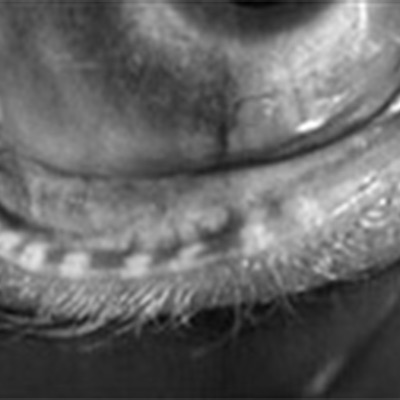
Aqueous tear deficient dry eye and evaporative dry eye—distinguishing between the two, knowing when both are at play, and treatment options are of growing importance as more patients are identified with some form of dry eye and as certain refractive procedures depend on a healthy ocular surface.

Ensuring that the ocular surface is optimized is a key step before cataract surgery, but it is also important in the context of glaucoma. Two physicians discussed the importance of addressing the ocular surface and what to do prior to glaucoma surgery and combined cataract/glaucoma procedures.
EyeProGPO is a newly established, ophthalmology-focused group purchasing organization created to make the acquisition of ophthalmic supplies more accessible for members of the group. It has partnered with the Outpatient Ophthalmic Surgery Society to provide its services as a free member benefit.

A study conducted at the Madurai regional Aravind Eye Care System (AECS) hospital found that adopting Western OR protocols did not lower endophthalmitis rates following cataract surgery as compared to AECS’s standard protocols.

Understanding the basic concept of phaco fluidics is important for successful cataract surgery, particularly when differentiating among the systems available and how they can help surgeons and patients. One physician broke it down in a discussion with EyeWorld.
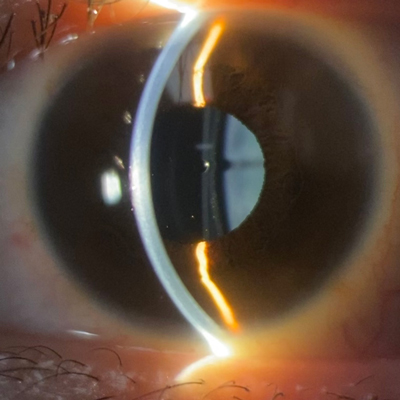
With advanced screening parameters and improved surgical techniques and technologies, the follow-up for refractive surgery has become routine and, in most cases, fairly uneventful. But EyeWorld caught up with two experts for a refresher and some important things to remember in the short- and long-term follow-up with post-refractive patients.

When talking about infectious keratitis in the U.S., this usually refers to bacterial keratitis, which has a higher incidence than fungal keratitis. However, there are reportedly 30,000–40,000 new cases of fungal keratitis annually, so it’s still a significant number.

IOP elevation following intravitreal injections can be divided into short-term and long-term elevations. Short-term elevations are common, and some studies have estimated that they affect greater than 90% of patients.

In a world with significantly more MD job listings than MD applicants, some practices are having difficulty finding a partner-track physician. This article details five potential solutions for this.

Get the latest ophthalmology news delivered to your inbox every Friday.