Browse articles on EyeWorld.org. EyeWorld is the award-winning member publication of ASCRS. The magazine provides news and updates from the Society as well as clinical features in the areas of cataract, refractive, cornea, glaucoma, and practice management. It publishes quarterly with editorial direction from its medical editorial board and staff.
Cornea Editor Julie Schallhorn, MD, shared her thoughts on the diagnosis and treatment of ocular surface disease, “one of the most vexing issues in ophthalmology.”
Two physicians discussed the importance and contribution of the tear film to the optical system, how they assess it, and the approach they take to tear film instability.
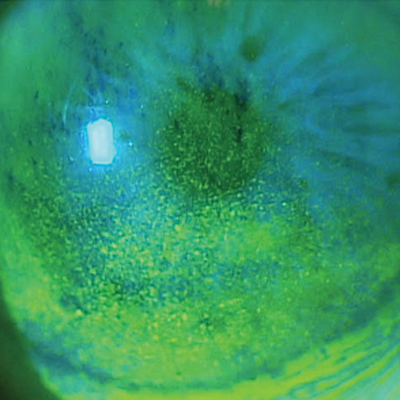
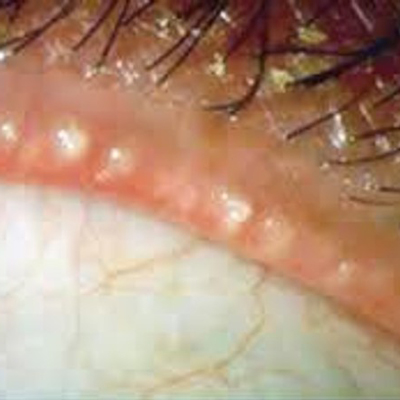
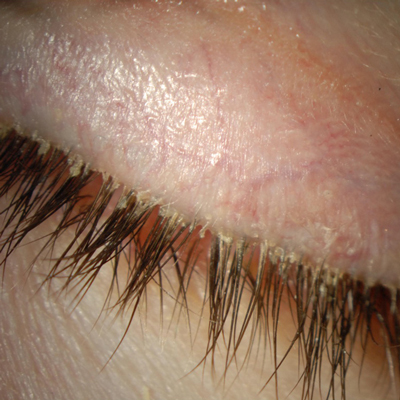
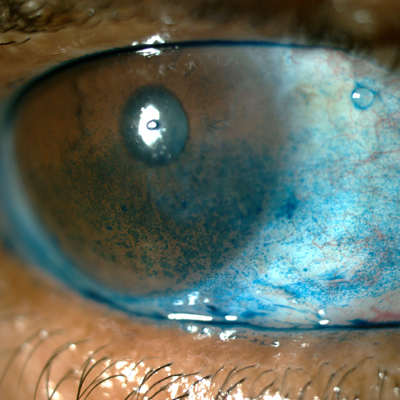
When considering patients with dry eye, it is imperative for physicians to understand the types of dry eye disease in order to best address a patient’s issues and choose an appropriate treatment. Two specialists discussed in depth dry eye sub-types and their identification.
Several years ago, the ASCRS Cornea Clinical Committee created the ASCRS Preoperative OSD Algorithm because of the lack of awareness and consensus regarding recommendations on ocular surface disease. The Committee is currently working on updates to the algorithm as new therapies have been introduced.
The ocular surface impacts many ophthalmic subspecialties beyond cornea. Whether it’s within refractive surgery, cataract surgery, glaucoma therapy, or retina procedures, the ocular surface can affect outcomes for patients being treated by these subspecialists. Several anterior segment ophthalmologists spoke about the ocular surface and how it relates to their subspecialty.
When treating dry eye patients, it’s possible to encounter patients who do not respond to treatment. Two experts discussed how to proceed in approaching these patients and getting them the care they need.
While this bonus issue delves into the diverse aspects of dry eye, the EyeWorld Editorial Board thought it was important to call out dry eye masqueraders—conditions that might initially seem like dry eye but aren’t. EyeWorld spoke with one physician to gain insights on these dry eye decoys.
Susanne Hewitt, MD, ASCRS Government Relations Committee Chair, discussed ASCRS’ attendance at the Legislative Fly-In in Washington, D.C., as well as some important reimbursement updates.
With an increase in dry eye education and treatment options, questions can arise: Who really needs surface optimization vs. who is ready to schedule surgery now? What’s reasonable in terms of treatment? When is a patient who needed ocular surface optimization ready for surgery? Two experts shared their experiences.
While laser vision correction and IOL exchange remain the preferred methods for correcting residual refractive error, two ophthalmologists said there is still a place for piggyback IOLs. They spoke about when they would consider a piggyback IOL, their preferred lenses, and their thoughts on newer generation IOL options.