Browse archived articles on EyeWorld.org. EyeWorld is the award-winning member publication of ASCRS. The magazine provides news and updates from the Society as well as clinical features in the areas of cataract, refractive, cornea, glaucoma, and practice management. It publishes quarterly with editorial direction from its medical editorial board and staff.
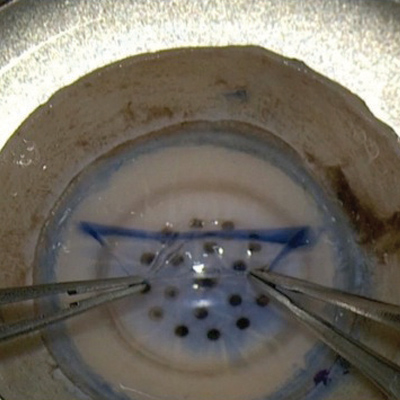
When it comes to corneal endothelial disorders, endothelial keratoplasty has become popular with ophthalmologists worldwide, and many choose between DSEK and DMEK. DSEK seems to be the current preferred method, with developments in DMEK causing the technique to gain ground.
Patients with cataract and concomitant iris defects are not seen very often in clinical practice, but when they do come in, they often present significant therapeutic challenges.
Despite being somewhat common, post-surgical ptosis is a multifactorial condition that can be minimized or treated, according to oculoplastics specialists who spoke to EyeWorld.

Dr. Schallhorn with an F-14 Tomcat
Steven Schallhorn, MD, describes how he was interviewed by the co-writer of the iconic movie Top Gun and what it was like to attend the United States Navy Fighter Weapons School.
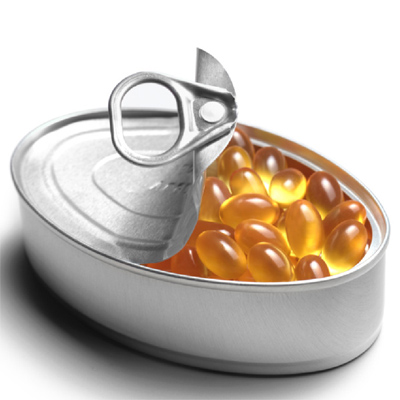
Omega-3 fatty acids are hailed for promoting better heart health, reducing inflammation, providing more lustrous hair and skin, and even promoting better mood. The question is, how beneficial are omega-3s for dry eye patients?
Uveitis following cataract surgery increases the risk of cystoid macular edema (CME), posterior synechiae, and secondary glaucoma, all of which may lead to delayed visual recovery or permanent visual loss. It is important to make the distinction between patients with pre-existing uveitis who undergo cataract surgery and those with no history of intraocular inflammation who develop uveitis after surgery.
Using conjunctival autograft and prophylactic subconjunctival placement of amniotic membrane
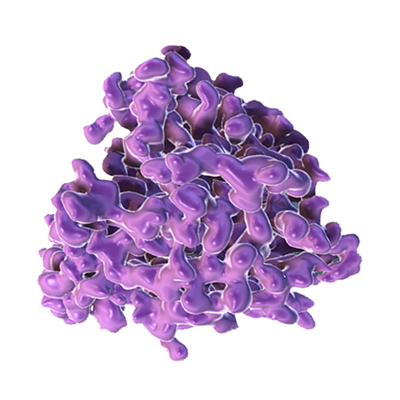
A graphic of the ocriplasmin molecule
Source: ThromboGenics
Ocriplasmin (ThromboGenics) is a first-in-class small molecule delivered through an intravitreal injection that targets fibronectin, laminin, and type IV collagen fibers that adhere the vitreous to the retina. The goal is to create a clean separation of the posterior vitreous cortex and the inner limiting membrane of the retina, thus avoiding a vitrectomy.
While Mooren's ulcer is by definition not associated with any systemic autoimmune disorder, it can be confused with corneal ulcers that are early warning signs of life-threatening diseases, said C. Stephen Foster, M.D., founder and president, Massachusetts Eye Research and Surgery Institute, Cambridge, and clinical professor of ophthalmology, Harvard Medical School, Boston.
What can be done for patients with post-LASIK corneal neuralgia?