Treating unexplainable pain
What can be done for patients with post-LASIK corneal neuralgia?
Comments Off on Treating unexplainable pain
March 1, 2012

Browse archived articles on EyeWorld.org. EyeWorld is the award-winning member publication of ASCRS. The magazine provides news and updates from the Society as well as clinical features in the areas of cataract, refractive, cornea, glaucoma, and practice management. It publishes quarterly with editorial direction from its medical editorial board and staff.

What can be done for patients with post-LASIK corneal neuralgia?

Many epithelial lesions have a dendritic shape. Although most of these lesions are pseudodendrites, they are frequently misdiagnosed as herpes simplex virus (HSV). The shape differences between these dendrites are subtle, but do exist. EyeWorld spoke to two experts on the subject who weighed in on the telltale signs.
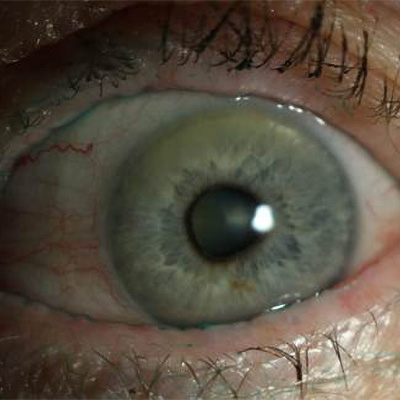
When pharma fails to relieve dry eye in the severest cases, patients still have options. Non-pharmaceutical treatments such as LipiFlow (Johnson & Johnson Vision), autologous serum tears, and intense pulsed light have been successful for evaporative dry eye caused by meibomian gland dysfunction.

Retina experts discuss the things cataract surgeons should evaluate preoperatively and the scenarios they should be on the lookout for intra- and postoperatively.

Two glaucoma experts review what defines a generic and how to evaluate generics in glaucoma patients.
A look at the pros/cons of monofocal vs. multifocal IOLs with a focus on a head-to-head comparison study conducted in 2011.
Refractive lens exchange is a growing treatment option in the U.S., with hyperopic presbyopes over age 50 being the ideal candidates. Physicians stress the importance of patient education for this procedure.
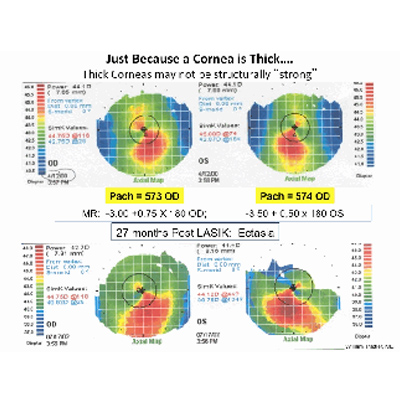
The belief that LASIK shouldn't be performed on thin corneas because of the risk of sight-threatening ectasia isn't scientifically valid, according to one researcher. Abnormal corneal topography is the most important preop risk factor for the complication, said William Trattler, MD.

Pre-existing strabismus and a family history of this are two red flags to look for when trying to head off diplopia in cataract patients, according to Kammi B. Gunton, M.D., assistant surgeon, Wills Eye Institute, Philadelphia. Investigators led by Dr. Gunton reported on the incidence and causes of diplopia following cataract and refractive surgery in the September 2010 issue of Current Opinions in Ophthalmology.
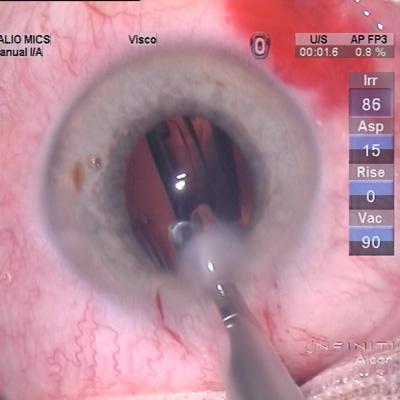
One relatively common postop complication of cataract surgery is an acute rise in IOP within the first day or so after surgery. Experts discuss consequences of IOP spikes, risk factors, and more.

Get the latest ophthalmology news delivered to your inbox every Friday.