Unlocking patient satisfaction after presbyopia-correcting IOLs

Nailing outcomes with presbyopia-correcting IOLs is important for many reasons—one of them being patient expectations, as they are paying out of pocket for an advanced-technology lens. But even when you’ve had an excellent surgery, postop complaints can trickle in, and the possible causes for the dissatisfaction are diverse.

Comments Off on Unlocking patient satisfaction after presbyopia-correcting IOLs

Integrating mental health awareness into vision loss care

For patients, vision loss can feel like the closing of a door to independence. Ophthalmologists often stand at the threshold of this life-altering moment, particularly when caring for patients with degenerative conditions such as glaucoma. Opening the door to mental healthcare unlocks an important dimension of support.

Comments Off on Integrating mental health awareness into vision loss care

Meeting patients with disabilities where they’re at

Patients with disabilities can experience unique challenges when in need of cataract surgery, but some ophthalmologists say the challenge for these patients begins before they ever sit in an exam chair. This vulnerable patient population can face ethical, logistical, and systemic barriers to care.

Comments Off on Meeting patients with disabilities where they’re at

Dysfunctional lens syndrome: opening doors to earlier and customized interventions

Dysfunctional lens syndrome has evolved from a theoretical framework to a clinically validated tool that’s reshaping patient education and surgical decision making. The dysfunctional lens staging system now plays a role in identifying the right intervention at the right time, particularly in the growing field of custom lens replacement.

Comments Off on Dysfunctional lens syndrome: opening doors to earlier and customized interventions

Looking out for atypical cornea infections

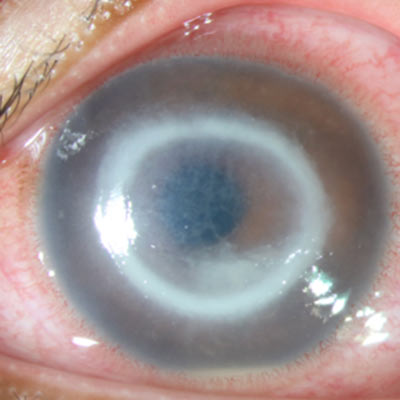
Ophthalmologists, particularly corneal specialists, may encounter a variety of pathogens that can cause infectious keratitis. Two of these specialists went into detail on some of the infections, including those that may be considered “atypical,” and how to identify and diagnose them.

Comments Off on Looking out for atypical cornea infections

Glaucoma procedures for cataract surgeons

Surgeons who routinely perform cataract surgery could better help patients by learning basic glaucoma procedures and incorporating them into cataract surgery, according to two glaucoma surgeons who spoke to EyeWorld. They discussed how cataract surgeons can gain experience with glaucoma procedures and when it makes sense to incorporate them.

Comments Off on Glaucoma procedures for cataract surgeons

Opening the door to office-based cataract surgery: considerations and comparisons

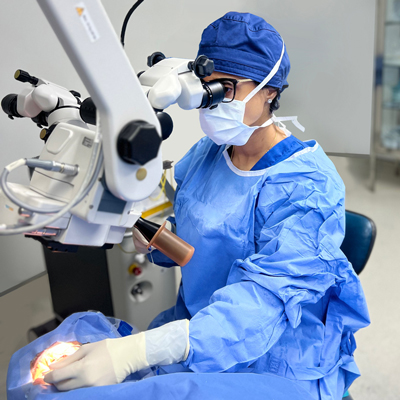
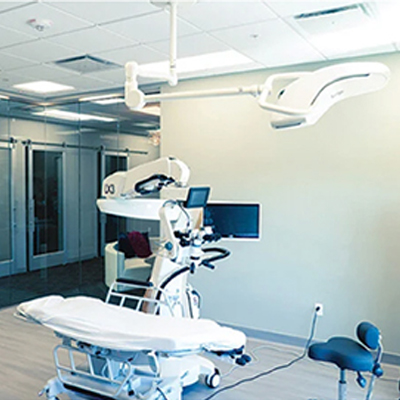
The reasons for growth in office-based surgery (OBS) for cataract procedures is multifactorial. Technology and techniques have improved to instill confidence in safety and efficacy, with a growing body of data to support it. Economic and patient expectation factors are also major influencers for OBS adoption among some surgeons.

Comments Off on Opening the door to office-based cataract surgery: considerations and comparisons

Four regional multinational societies release a joint position paper on multiuse phacoemulsification supplies

David F. Chang, MD, chair of the EyeSustain Advisory Board, discussed the new position paper advocating for multiuse phacoemulsification cassettes. The position paper calls on industry to prioritize development of multiuse supply options for every phacoemulsification machine and for regulatory agencies to facilitate review and approval of these products.

Comments Off on Four regional multinational societies release a joint position paper on multiuse phacoemulsification supplies