Pearls for refixating and exchanging IOLs
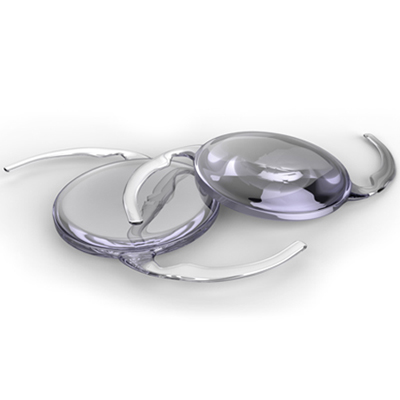
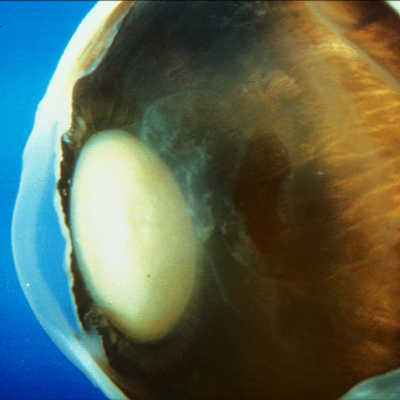
In some cases, it may be necessary to refixate or remove an IOL after cataract surgery. Several surgeons discussed how they determine when this course of action is needed and techniques they use.
Patients often seek their ophthalmologist’s expert opinion for the IOL they would recommend if they were in the patient’s situation. As a resident at Northwestern University, Hercules Logothetis, MD, and his mentor Robert Feder, MD, actually asked ophthalmologists about the technology they would choose for themselves.1
A drop or pill that could forestall or even reverse cataract formation has been discussed and researched for years. It’s an especially attractive options for patients in developing countries where surgery can be less available or less safe.
Cataract surgery anti-inflammatory regimens have changed significantly in the last decade, with an emphasis on improving patient compliance.
In 2020, I witnessed some of the worst experiences as this virus killed many and made much of our world physically, emotionally, and economically sick. It has been difficult to observe, and at times I have felt a deep sadness for the world that is tough to fully put into words.
After being forced to close for several months because of the COVID-19 pandemic, many ophthalmologists had to make adjustments to practices in the clinic and surgery when they reopened. EyeWorld spoke to several surgeons about what they’ve seen in terms of LASIK numbers since reopening, with many noting that they’ve actually seen an uptick in this procedure.
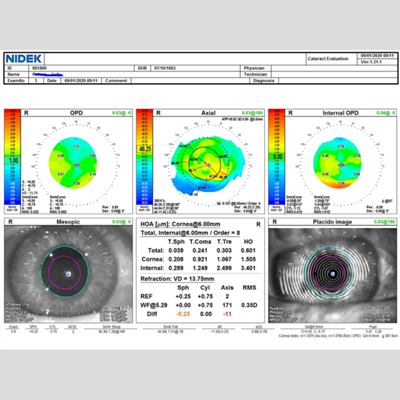
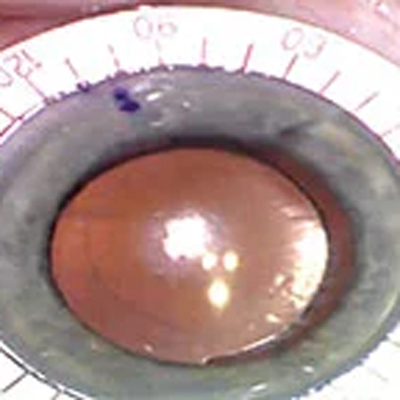
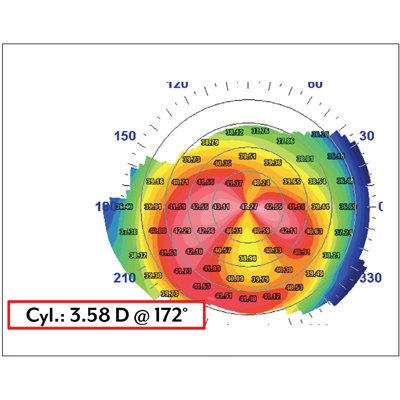
Managing astigmatism at the time of cataract surgery is a weighty topic with many variables. What technology to measure astigmatism—power and axis? How many measurements to take for reliability? How to ensure accuracy and consistency of measurements? What course of correction to take?
Whether astigmatic correction was targeted in cataract surgery or not, there is always a risk for residual astigmatism postop. When to address this astigmatism—and how—depends on several factors, including patient perception, healing time, trust in measurements, and more.
“In the day and age of refractive cataract surgery, optimizing outcomes is extremely important,” said Kathryn Hatch, MD, as she introduced a webinar hosted by the ASCRS Refractive Surgery Clinical Committee earlier this year. “We have increasing patient expectations, and it’s extremely important that we obtain ideal biometry measurements. To do so, we need to pay specific attention to the ocular surface, especially when treating astigmatism and presbyopia.”
It has now been more than 8 months of living and working with COVID in our lives. Our children and grandchildren have gone back to school, clinics have reopened, ophthalmology surgeries are being prioritized, eye surgeons are working overtime to clear the backlog of patients.