In memoriam: December 2021
EyeWorld honors the lives of ophthalmologists who have died recently with recognition here.
Comments Off on In memoriam: December 2021
October 28, 2021


EyeWorld honors the lives of ophthalmologists who have died recently with recognition here.
Recaps of a few recent papers from the Journal of Cataract & Refractive Surgery
Cataract Editor Rosa Braga-Mele, MD, shared her thoughts on the past year and introduced the topic of ophthalmic challenges and how best to respond to them.
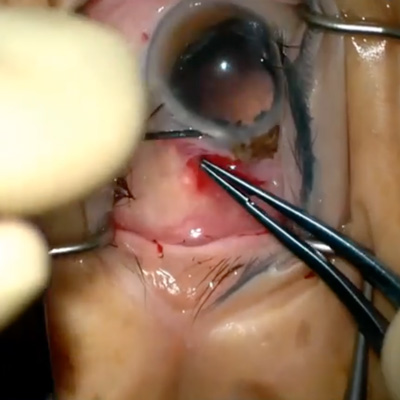
Iris prolapse can occur at any time during cataract surgery when the pressure inside the eye is higher than the pressure outside and when there is an open wound. Naveen Rao, MD, shared a complicated case involving iris prolapse, and Michael Snyder, MD, offered commentary on risk factors and how to handle such a case if it occurs.
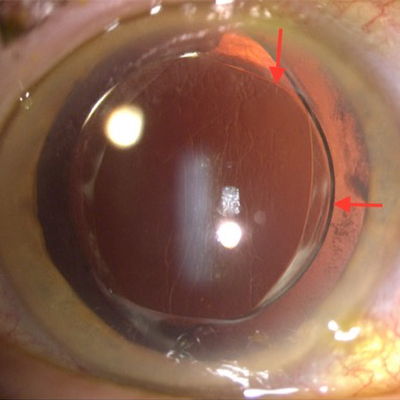
Negative dysphotopsia is an issue that patients may face following cataract surgery. While it frequently resolves on its own, several physicians said it’s important to discuss it with patients and explain what’s going on.
The term intraoperative refractive guidance systems describes the technology offered to patients as an additional, out-of-pocket benefit for their cataract surgeries. Within this class of technologies are systems that give surgeons guidance on refractive issues during the case, including spherical power, cylinder power and alignment, and more.
There is often discussion about the conditions an eye should meet in order to be successful with a premium, advanced technology IOL, but what about patients who desire independence from spectacles but who have less than perfect eyes? With more options available in the presbyopia-correcting IOL market, some can be suitable even if the patient has existing ocular pathology.

Refractive Editor Vance Thompson, MD, shared some of the highlights in this issue’s Refractive section.
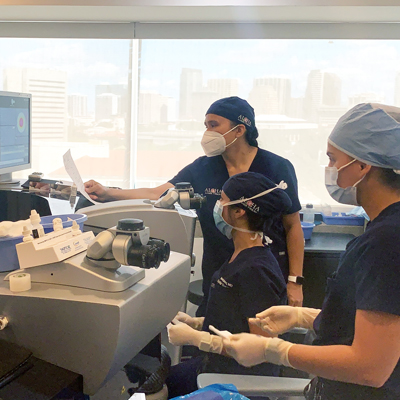
LASIK was established by the PROWL studies as safe and effective, with a high level of satisfaction, but there are patients who are unhappy with their outcomes, though rarely. Why this happens and how to best manage these patients is what three surgeons shared with EyeWorld.

Luke Rebenitsch, MD, described a case where he initially performed same-day hyperopic LASIK with the KAMRA inlay for distance and presbyopia correction in a 46-year-old patient. Several years later, he elected to implant IOLs once the patient started experiencing a hyperopic shift and lens-associated degradation in vision.

Get the latest ophthalmology news delivered to your inbox every Friday.