Lasers: available and upcoming options for glaucoma
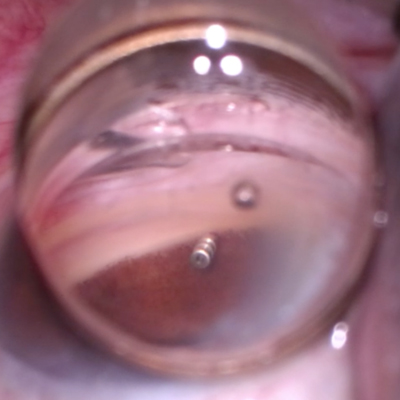
Two glaucoma specialists spoke with EyeWorld about the current role of SLT, as well as products in development and further research in the glaucoma laser space.
While glaucoma treatment is shifting toward a more interventional approach, two physicians said the use of drop therapy is alive and well. It is trending toward being an adjunctive therapy as more ophthalmologists are beginning to figure out what pharmaceutical and procedural combinations best suit their patients.
Many MIGS procedures are proving useful and accessible not just to the glaucoma specialist but to comprehensive ophthalmologists as well. Two ophthalmologists discussed who should be performing glaucoma surgery, as well as ways to learn and stay fresh with some of these techniques.
While ophthalmologists agree that glaucoma drops are not likely to go extinct as part of glaucoma management, recent innovation continues to shift their place in many physicians’ glaucoma treatment algorithm. One of these disruptive innovations is sustained drug delivery. Two experts weighed in on the topic.
In this issue’s column, the authors discussed the surgical work of ophthalmologists at Aravind Eye Hospital in India. They shared the results of the standardized protocols that include reusing devices for cataract surgery usually deemed single use in Western countries.
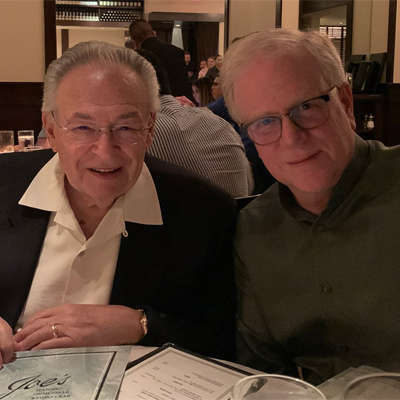
I. Howard Fine, MD, a past president of ASCRS and innovator of surgical instruments and procedures, died August 29, 2024, at 88 years old. Several physicians paid tribute to and shared their memories of Dr. Fine.
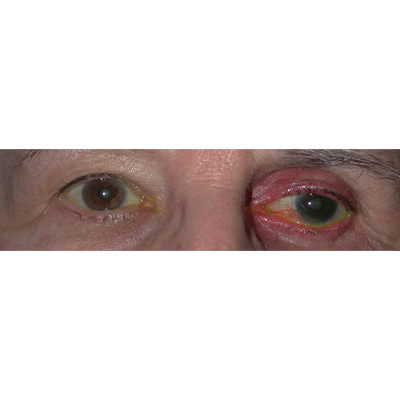
While true allergies to materials used during cataract surgery are uncommon, this is a topic that physicians may need to discuss with patients. Two physicians highlighted some of the key concerns they hear from patients and how they approach these to identify real allergies versus intolerances.
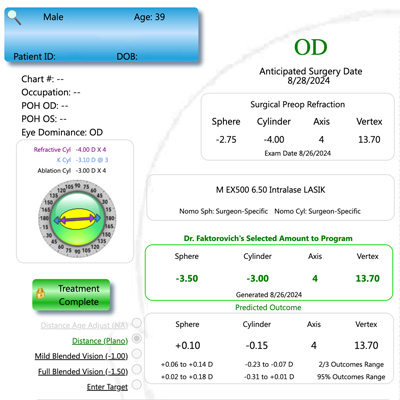
What’s the latest tool in the refractive surgeon’s toolbox? As with many fields from marketing to medicine, it’s artificial intelligence (AI). Several surgeons discussed how AI is impacting refractive surgery, as well as some other areas of the anterior segment.
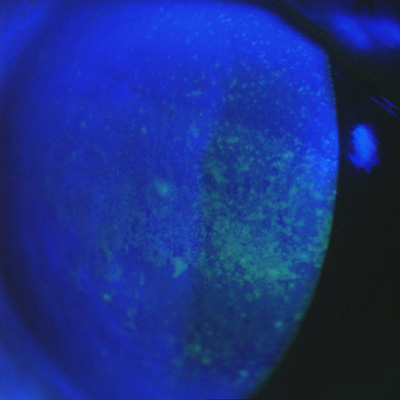
Many patients use drops to help with a variety of ophthalmic issues, however, one thing to consider is the formulation of these products, specifically if they have preservatives. Three ophthalmologists discussed the precautions with preservatives and shared the importance of monitoring for toxicity and potentially finding alternative treatment options.
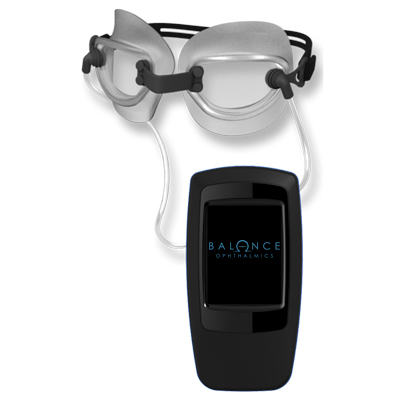
In June 2024, the FDA approved the FSYX Ocular Pressure Adjusting Pump by Balance Ophthalmics, making it the first non-surgical, non-pharmaceutical, IOP-lowering therapy for patients with open angle glaucoma. Physicians shared how they are excited about being able to lower IOP safely in normal tension glaucoma patients with accompanying nocturnal IOP elevations.