Glaucoma
September 2022
by Nathan Radcliffe, MD
Glaucoma Editor

As a self-described early adopter and technophile, I have found that the field of ophthalmology certainly offers a lot of dazzling inventions, gadgets, and novel solutions to diagnose and treat eye conditions. In the field of glaucoma, the past 5–10 years have featured microstents, micro-instruments, artificial intelligence, and a slew of other applications of leading edge (and occasionally bleeding edge) technology.
That said, a very wise glaucoma guru (George Spaeth, MD) once told me that all he really needs to assess glaucoma is his finger or thumb (to check the pressure and assess the field of vision), a direct ophthalmoscope (to inspect the nerve), and a few moments to talk to the patient about his or her life and what matters most to them. While a mere mortal such as myself requires a bit more help from technology than that, his point is well made.
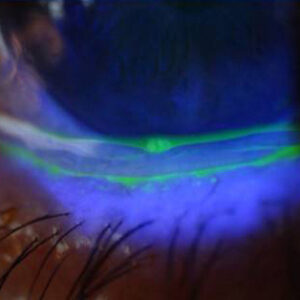
In this issue of EyeWorld we are taking a step back to focus on some of glaucoma’s fundamentals. Starting at the point where light first interacts with the eye of the glaucoma patient, we cover the impact of glaucoma on the tear film and ocular surface of the eye. We detail some of the mechanisms of intraocular pressure spikes or elevations and take a comprehensive look at the management of glaucoma surgeries, including trabeculectomy. We hope that this dive into fundamental topics in glaucoma diagnosis and management will help provide us all with much needed basic skills to manage this challenging disease.