Browse articles from EyeWorld.org related to dry eye. EyeWorld is the award-winning member publication of ASCRS. The magazine provides news and updates from the Society as well as clinical features in the areas of cataract, refractive, cornea, glaucoma, and practice management. It publishes quarterly with editorial direction from its medical editorial board and staff.
A retrospective study based on insurance claims data is giving real-world insights into prescribing/treatment patterns for two dry eye medications—cyclosporine ophthalmic emulsion (Restasis, Allergan) and lifitegrast ophthalmic solution (Xiidra, Novartis).1 In doing so, researchers can make inferences on adherence, discontinuation, and more.
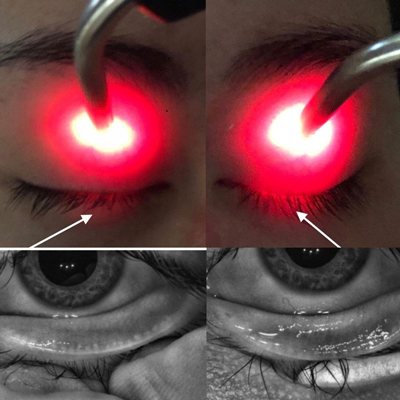
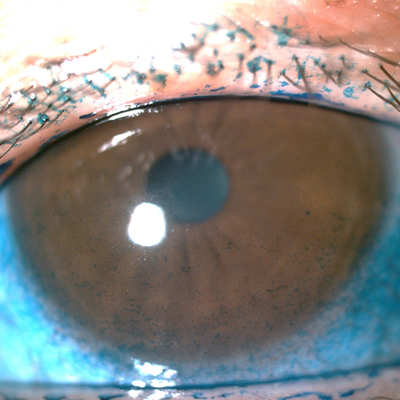
This 20-year-old college student with meibomian gland dropout and lid seal insufficiency had dry eye complaints. The student reported long computer hours, poor sleep, poor nutrition, excessive contact lens wear, and use of multiple over-the-counter and prescription acne treatment products.
Source: Laura Periman, MD
When teens come into the clinic, it’s important to consider that they might have dry eye or meibomian gland disease. Investigators in a recent study found that among minors coming in for eye exams, 15% were experiencing dry eye discomfort and 9% had signs of meibomian gland dropout, according to lead investigator Anna Tichenor, PhD.1
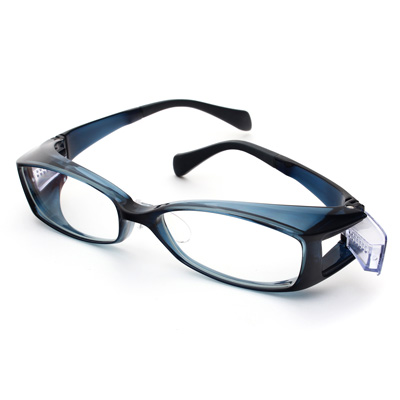
Moisture chamber glasses
Though not new, moisture chamber glasses are seeing a resurgence for the treatment of dry eye.
Many practitioners are now reaching for Xiidra (lifitegrast, Shire, Lexington, Massachusetts) 5% for dry eye cases, but sometimes a patient may not initially be considered a success. Here’s what leading practitioners are doing to help more patients find respite with Xiidra.
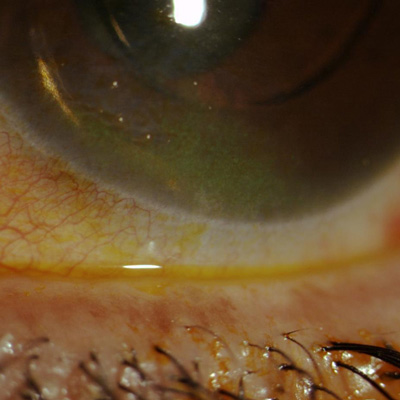
Dry eye is the single most common reason that patients come into a practitioner’s office, with a prevalence of around 40% of those seeking ophthalmic care, according to Hank Perry, MD, Ophthalmic Consultants of Long Island, New York. What may not be clear in an office visit is that the patient’s sleep position may be a prime factor in his or her condition.
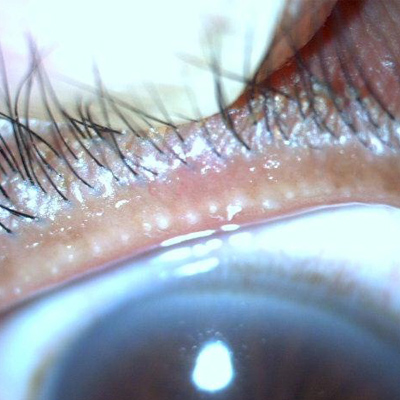
Meibomian gland dysfunction (MGD) is a common finding among patients who seek eyecare. In many patients, the disease is completely asymptomatic. In others, the severity can range from being a mild annoyance to significantly impacting vision and quality of life.
Supplements aimed at treating dry eye have garnered increasing attention from ophthalmologists, but spotty data has limited their use.
Glaucoma and retinal specialists share how they manage dry eye with other ocular comorbidities.
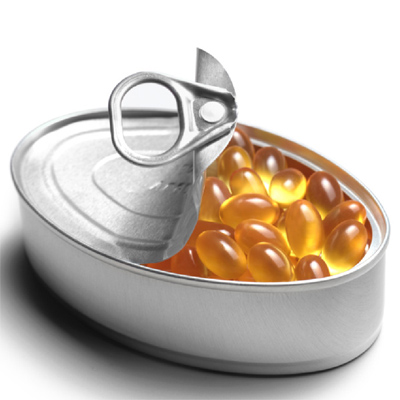
Omega-3 fatty acids are hailed for promoting better heart health, reducing inflammation, providing more lustrous hair and skin, and even promoting better mood. The question is, how beneficial are omega-3s for dry eye patients?
When pharma fails to relieve dry eye in the severest cases, patients still have options. Non-pharmaceutical treatments such as LipiFlow (Johnson & Johnson Vision), autologous serum tears, and intense pulsed light have been successful for evaporative dry eye caused by meibomian gland dysfunction.