Browse articles on EyeWorld.org from the Refractive section. EyeWorld is the award-winning member publication of ASCRS. The magazine provides news and updates from the Society as well as clinical features in the areas of cataract, refractive, cornea, glaucoma, and practice management. It publishes quarterly with editorial direction from its medical editorial board and staff.
Corneal ectasia after laser vision corrected was first reported in 1998, and since them, preop screening and treatment parameters have improved to help avoid the complication. The incidence of post-LASIK ectasia is not officially known. Experts discussed this incidence and how to determine candidates for refractive surgery.
When it comes to premium lenses, patients have high expectations for great outcomes. Three physicians discussed some of the technologies they use preoperatively, intraoperatively, and postoperatively to help achieve excellent outcomes.
In 2020, I witnessed some of the worst experiences as this virus killed many and made much of our world physically, emotionally, and economically sick. It has been difficult to observe, and at times I have felt a deep sadness for the world that is tough to fully put into words.
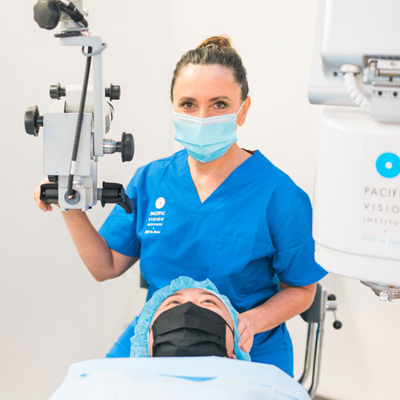
Dr. Faktorovich gives patients a choice to wear a mask or not during their procedure. All patients are screened with a COVID-19 questionnaire prior to entering the clinic and their temperature is checked. Disposable surgical blankets are used to cover patients. Source: Ella Faktorovich, MD
After being forced to close for several months because of the COVID-19 pandemic, many ophthalmologists had to make adjustments to practices in the clinic and surgery when they reopened. EyeWorld spoke to several surgeons about what they’ve seen in terms of LASIK numbers since reopening, with many noting that they’ve actually seen an uptick in this procedure.
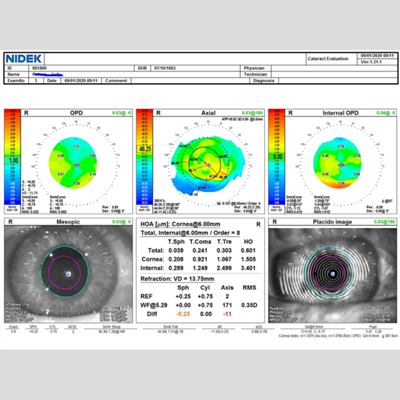
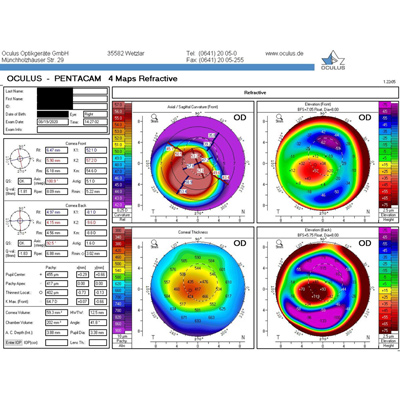
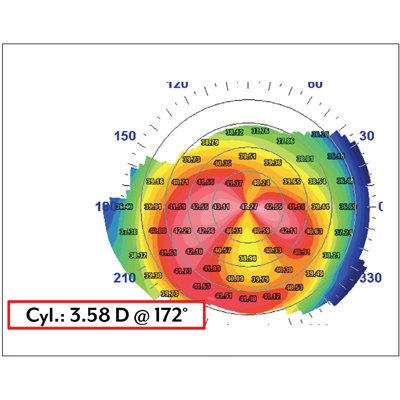
A recent patient of Dr. Ristvedt’s presented for cataract evaluation wanting a trifocal IOL. Blurred Placido images indicated dryness, which was then treated before she returned for repeat measurements. The power and orientation of the patient’s astigmatism changed after treating the dry eye. Source: Deborah Ristvedt, DO
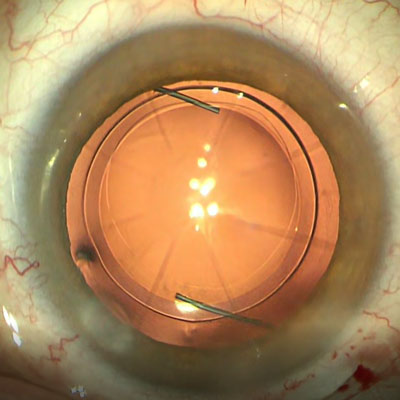
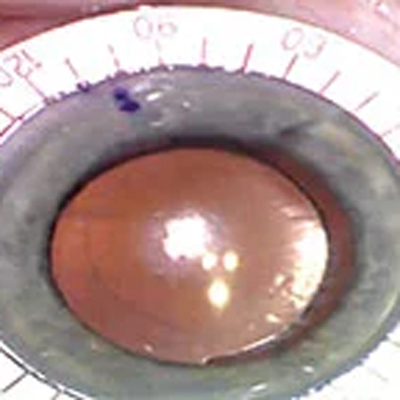
Managing astigmatism at the time of cataract surgery is a weighty topic with many variables. What technology to measure astigmatism—power and axis? How many measurements to take for reliability? How to ensure accuracy and consistency of measurements? What course of correction to take?
Whether astigmatic correction was targeted in cataract surgery or not, there is always a risk for residual astigmatism postop. When to address this astigmatism—and how—depends on several factors, including patient perception, healing time, trust in measurements, and more.
“In the day and age of refractive cataract surgery, optimizing outcomes is extremely important,” said Kathryn Hatch, MD, as she introduced a webinar hosted by the ASCRS Refractive Surgery Clinical Committee earlier this year. “We have increasing patient expectations, and it’s extremely important that we obtain ideal biometry measurements. To do so, we need to pay specific attention to the ocular surface, especially when treating astigmatism and presbyopia.”