Browse articles from the EyeWorld March 2021 issue. EyeWorld is the award-winning member publication of ASCRS. The magazine provides news and updates from the Society as well as clinical features in the areas of cataract, refractive, cornea, glaucoma, and practice management. It publishes quarterly with editorial direction from its medical editorial board and staff.
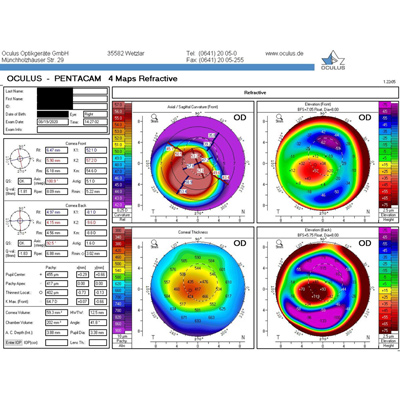
Epithelial thickness mapping was FDA approved in the U.S. in 2017, but awareness about its utility is growing. Three international ophthalmologists shared their experience with the technology and offered insights on where they think it fits in ophthalmic practices now and in the future.
Corneal ectasia after laser vision corrected was first reported in 1998, and since them, preop screening and treatment parameters have improved to help avoid the complication. The incidence of post-LASIK ectasia is not officially known. Experts discussed this incidence and how to determine candidates for refractive surgery.
When it comes to premium lenses, patients have high expectations for great outcomes. Three physicians discussed some of the technologies they use preoperatively, intraoperatively, and postoperatively to help achieve excellent outcomes.

Clara C. Chan, MD
Cornea Editor
Cornea Editor Clara Chan, MD, previews the topics that are explored in the section, including Demodex, vernal conjunctivitis, herpes zoster, and keratoconus screening.
Vernal keratoconjunctivitis is a condition that usually presents in young children. It is one of the less common forms of allergic conjunctivitis, however, it arguably has some of the most significant and serious signs and symptoms. Victor Pegado, MD, described signs and how to handle these cases.
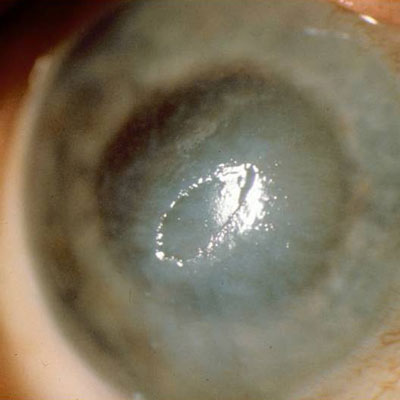
Screening and early diagnosis is very important for keratoconus patients. Two physicians discussed when to screen, what tests they use, and treatment options.
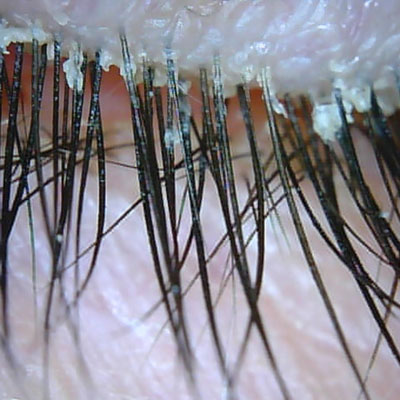
Demodex mites can cause a number of problems, including ocular issues. Several physicians discussed symptoms, what to look for, and ways to treat an infestation. Treatments in development were also discussed.
With more than 1 million new cases each year, herpes zoster is increasing in frequency. Two physicians discussed how to manage complications from herpes zoster, the vaccine for it, and treatment options.

Nathan Radcliffe, MD
Glaucoma Editor
Glaucoma Editor Nathan Radcliffe, MD, introduces the topics covered in the section, including early experience with Durysta, how other sustained therapies can benefit the glaucoma patient following cataract surgery, and how glaucoma care can be streamlined to keep everyone safe in the pandemic.
Newer steroid and NSAID options (and some off-label administration of antibiotics) that are delivered either via injection or intracanalicular insert can help avoid complicating a patient’s drop regimen that is already subject to non-compliance, instillation issues, potential for ocular surface agitation, and more.