In the journal: March 2021
Recaps of a few recent papers from the Journal of Cataract & Refractive Surgery
Comments Off on In the journal: March 2021
March 1, 2021

Browse articles from the EyeWorld March 2021 issue. EyeWorld is the award-winning member publication of ASCRS. The magazine provides news and updates from the Society as well as clinical features in the areas of cataract, refractive, cornea, glaucoma, and practice management. It publishes quarterly with editorial direction from its medical editorial board and staff.
Recaps of a few recent papers from the Journal of Cataract & Refractive Surgery

Cataract Editor Rosa Braga Mele, MD, shares personal thoughts on the pandemic a year later, including some positive practice adaptations that have occurred as a result.
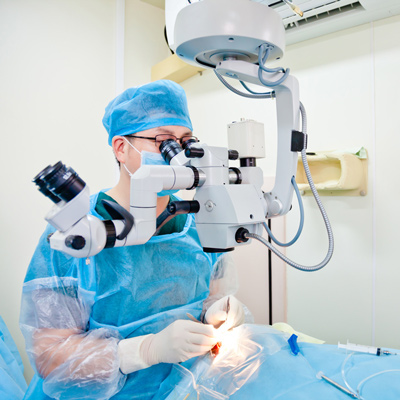
In light of the pandemic’s push to limit exposure in various medical settings, some ophthalmologists have been considering immediately sequential bilateral cataract surgery (ISBCS) with renewed interest to help get through a backlog of cases efficiently and to ease patient anxiety about coming in for surgical procedures.

New optical qualities, new materials, preloaded inserters, and the possibility of accommodative abilities: There has been quite a bit of movement in IOL innovations, some of which are available in the U.S., while others are still on the horizon.
A paper published online ahead of print in the Journal of Cataract & Refractive Surgery covered the topic of managing iris defects caused by cataract surgery. Gary Foster, MD, one of the paper’s authors, gave EyeWorld insights on the paper, “Management of common iatrogenic iris defects induced by cataract surgery.”
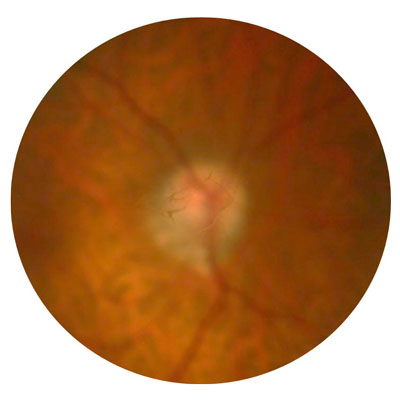
When performing cataract surgery, it’s important to be aware of other conditions and comorbidities, including issues with the retina. Several physicians discussed how to handle patients with retina abnormalities prior to cataract surgery.

A hot topic among young eye surgeons that has drawn CMS attention in the past, two ophthalmologists shared their take on office-based cataract surgery.
Ophthalmologists take several measures to prevent endophthalmitis after cataract surgery, but one thing they can’t control could have an impact on endophthalmitis rates: the weather. According to a study published in the Journal of Cataract & Refractive Surgery, endophthalmitis rates peaked in the more hot and humid months.

Refractive Editor Vance Thompson, MD, discusses the impact from COVID-19 over the past year, as well as changes to practice and ophthalmology as a whole.
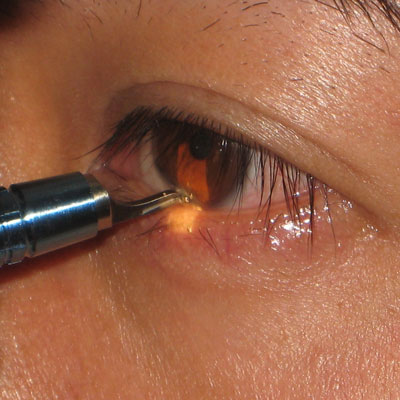
Astigmatic keratotomy (AK) and limbal relaxing incisions (LRIs) are tools that can be used by surgeons to help correct low levels of astigmatism. Two surgeons discussed how these can reduce astigmatism and how they’re using them in practice.

Get the latest ophthalmology news delivered to your inbox every Friday.