ONLINE EXCLUSIVE
ASCRS News
August 2022
by Liz Hillman
Editorial Co-Director
It’s that time of year again. While the 2023 ASCRS Annual Meeting might still be several months away, the time to submit abstracts for instructional courses, papers, posters, films, and digital photographs is now.
Important deadlines
Courses, papers, posters, films: October 14
Digital photographs: February 28, 2023
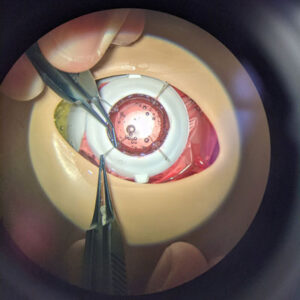
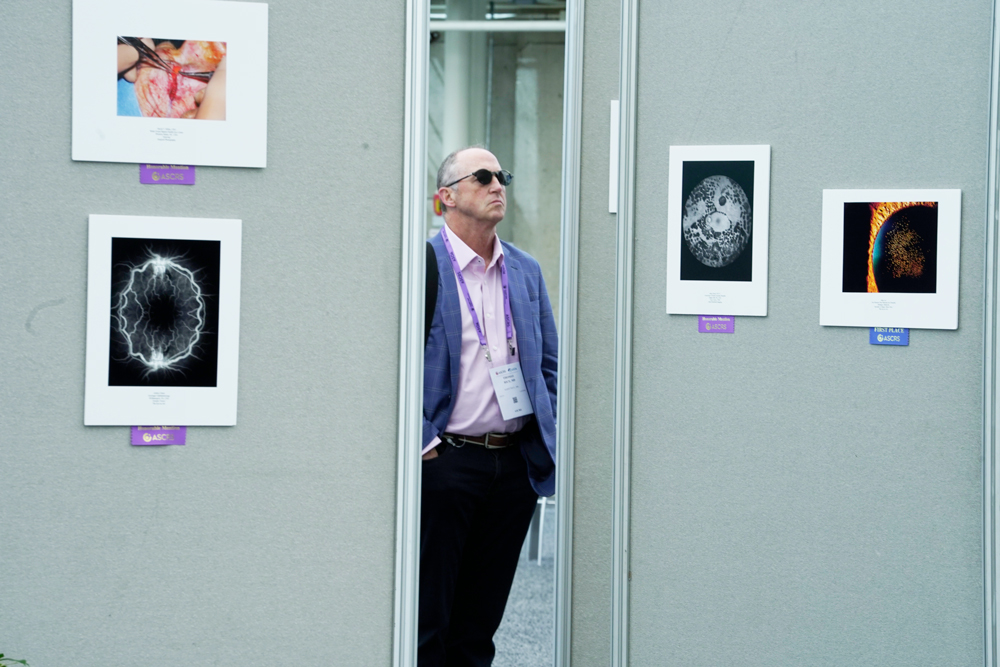
These elements expand and diversify the learning experience at the meeting, providing the opportunity to dive deep into a topic with a course, learn new data with papers and posters, review surgical techniques with films, and appreciate what can be captured digitally from the human eye in photographs.
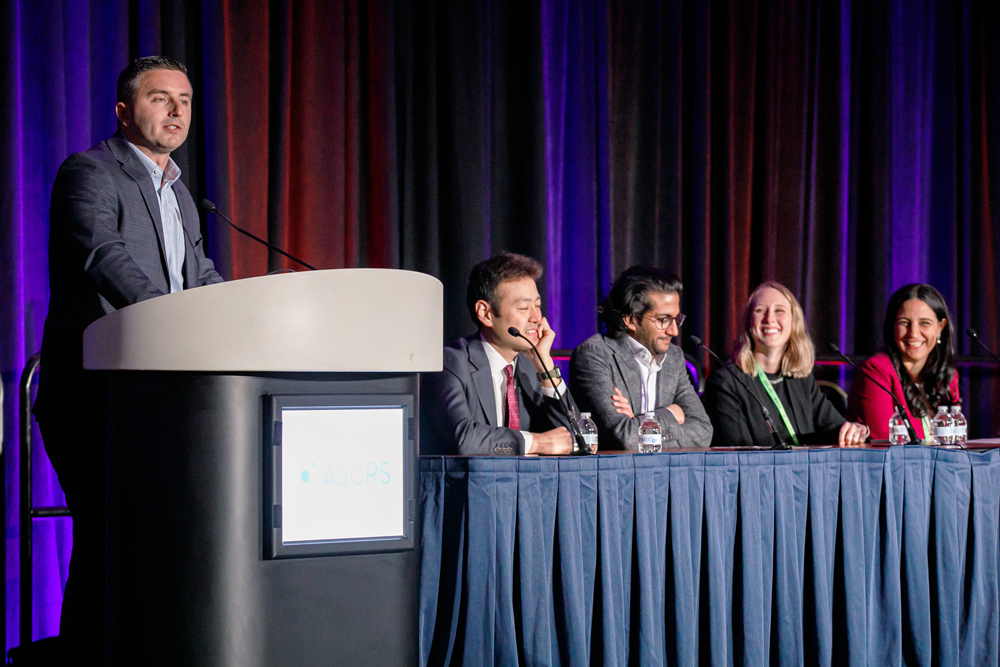


EyeWorld caught up with a few ophthalmologists—Vance Thompson, MD, Daniel Terveen, MD, and Albert Cheung, MD—who have regularly submitted abstracts throughout their career for their perspective on the process and why getting involved is a beneficial and career-enhancing experience.
EyeWorld: When did you first get involved with presenting at medical meetings?
Dr. Thompson: I was in my residency, and two of my fellow residents and I did a study on using betadine preoperatively in cataract surgery and how it helped to reduce the bacterial flora and increase the safety of cataract surgery. We were asked to present at the ASCRS meeting in Los Angeles. It was such a great experience that it started my joy of research and writing.
Dr. Terveen: I first submitted a paper as a third-year medical student. I was working on a project, and we wanted to share our results. As a medical student it is crucial to present research as part of the learning process as well as to strengthen a residency application.
Dr. Cheung: My first presentation was a poster presentation during residency. The fellow I was working with at the time encouraged me to submit our project to a national meeting to gain presentation experience and advice/insight on our work. I still remember the eye-opening experience of seeing all the various posters in the presentation hall, learning about recent advances from other presenters, growing from the feedback of fellow researchers and clinicians stopping by my poster, and even meeting a couple investigators who I had cited on my poster.
EyeWorld: Why is it important for physicians to get involved with papers, posters, courses, etc., at medical meetings?
Dr. Thompson: I think that getting involved at national meetings is important not only to learn from others, but as a participant, it makes you prepare in a way that you learn through literature searches and talking to other doctors. It keeps us up to date.
Dr. Terveen: Medicine is a profession that is learning and evolving, and much of the innovation comes from the doctors themselves. It is up to us to share what we have learned to push our profession forward and pass on the cumulative knowledge to the younger generations. Papers, posters, etc., at medical meetings are the ideal format for this. Things are highly structured and compact with many surgeons present for increased discussion and idea sharing. They are also peer-reviewed, which ensures that quality information is presented.
Dr. Cheung: It is always good to evaluate what your results are with your current practice patterns. This is how evidence-based medicine is furthered. You are able to present your most recently collected data and learn the most up-to-date findings about your topic of interest. The insight and critiques you obtain can be quite helpful for your practice or your next phase of study (e.g., manuscript). Meetings also facilitate collaboration by connecting colleagues who may have a niche interest.
EyeWorld: What’s your advice to those who have never submitted an abstract to a meeting before or to those who haven’t submitted in a while?
Dr. Thompson: The websites for the national meetings have guidelines and walk you through the process nicely. That’s a great place to start. Also, talking with a mentor who has been through the process can be very helpful. It’s not a huge time commitment to create a submission. I would count on less than an hour to submit and 4–6 hours to prepare for the presentation, if accepted, though it can take less time if it’s a topic you’ve taught on before or more time if it’s more complex. But the preparation makes us better physicians and surgeons.
Be efficient in your submission and presentation. The more work and understanding we put into it, the simpler our message is and the more effective it is at getting our point across to the audience.
Dr. Terveen: Start with a course or panel to share expertise without the time commitment of original research. The next thing would be a case series or technique on which you have retrospective results to share. Submitting the abstract is the easy part and usually takes less than an hour to write and submit. The level of effort depends on the underlying project. A small case series of unique patients can take a few hours, while a larger prospective study can take dozens to hundreds of hours.
Dr. Cheung: Have a mentor or attending read through your submission first. I also remind first-time presenters that they likely know more about their particular topic than most of the people in the room. Translate that into confidence when you are speaking.
Submitting an abstract when you are out of training or even if it has been a while since you last submitted can be quite beneficial to both the presenter and the audience. I have learned so much from clinical studies demonstrating how others are practicing, what their results show, and what new innovative ideas are out there. I have incorporated some of these findings and pearls to help shape my daily practice.
EyeWorld: What have you gotten out of your experience presenting at medical meetings?
Dr. Thompson: I have gained so much from presenting at medical meetings. Besides the personal and professional growth of learning, preparing, and increasing my knowledge as a physician, the networking that it has led to with other ophthalmologists and industry representatives has helped my practice tremendously. I always get ideas from other practices and industry about how to evolve your own practice.
Dr. Terveen: It has allowed me to develop my public speaking skills and critically assess my outcomes. It is also a great way to connect with industry.
Dr. Cheung: If you are like me, presenting publicly may not come naturally, so gaining experience at these meetings, often times with smaller audiences at first, can help you become more adept. Through these meetings opportunities, I have also met so many other remarkable clinician-scientists who have become colleagues, collaborators, and friends. Enjoy the other presentations. I am impressed by how much I learn just by sitting in on paper presentation sessions, reading through other posters, and talking to the presenters.
About the physicians
Albert Cheung, MD
Virginia Eye Consultants
Norfolk, Virginia
Daniel Terveen, MD
Vance Thompson Vision
Sioux Falls, South Dakota
Vance Thompson, MD
Vance Thompson Vision
Sioux Falls, South Dakota
Contact
Cheung: acheung@cvphealth.com
Terveen: daniel.terveen@gmail.com
Thompson: vance.thompson@vancethompsonvision.com