ONLINE EXCLUSIVE
Cornea
August 2022
by Liz Hillman
Editorial Co-Director
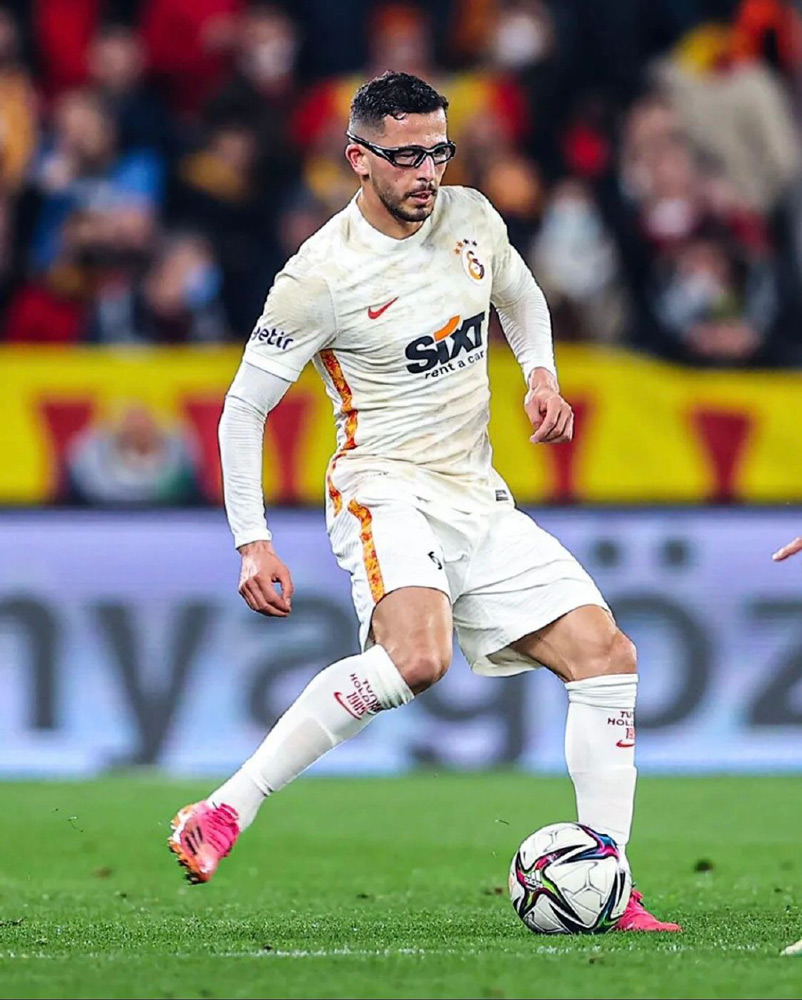
Fireworks, often set off in times of celebration, can have dangerous and damaging consequences. One such case that made both national and world news involved European football player Omar Elabdellaoui who was blinded in what Goal.com described as a “freak fireworks accident” on New Year’s Eve 2020.
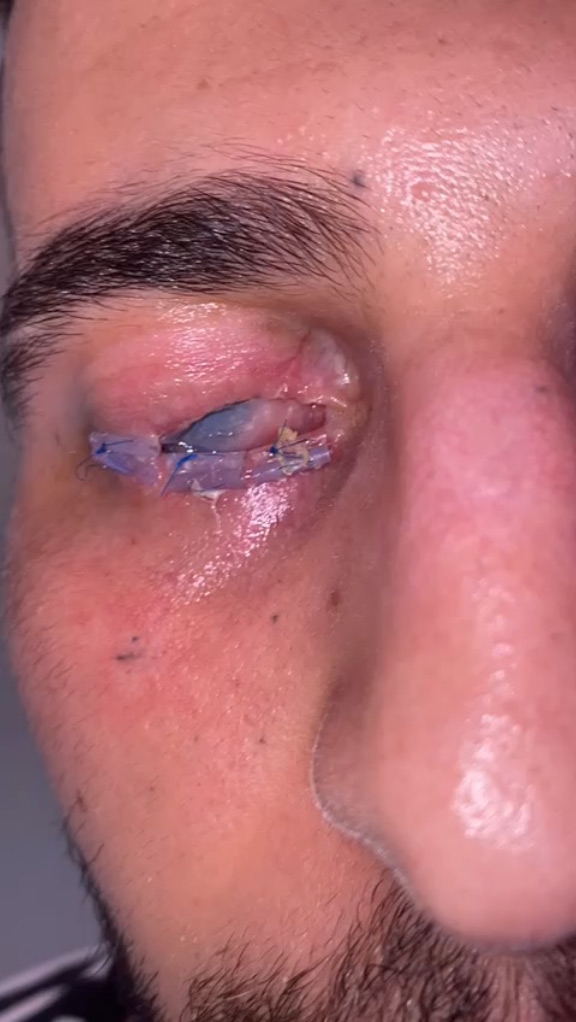
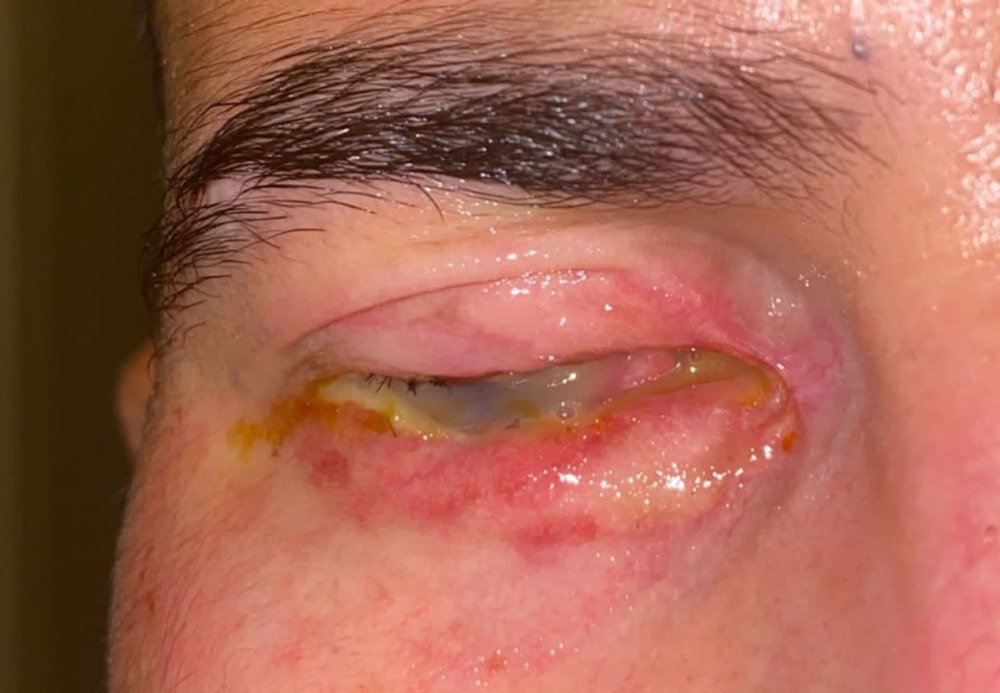
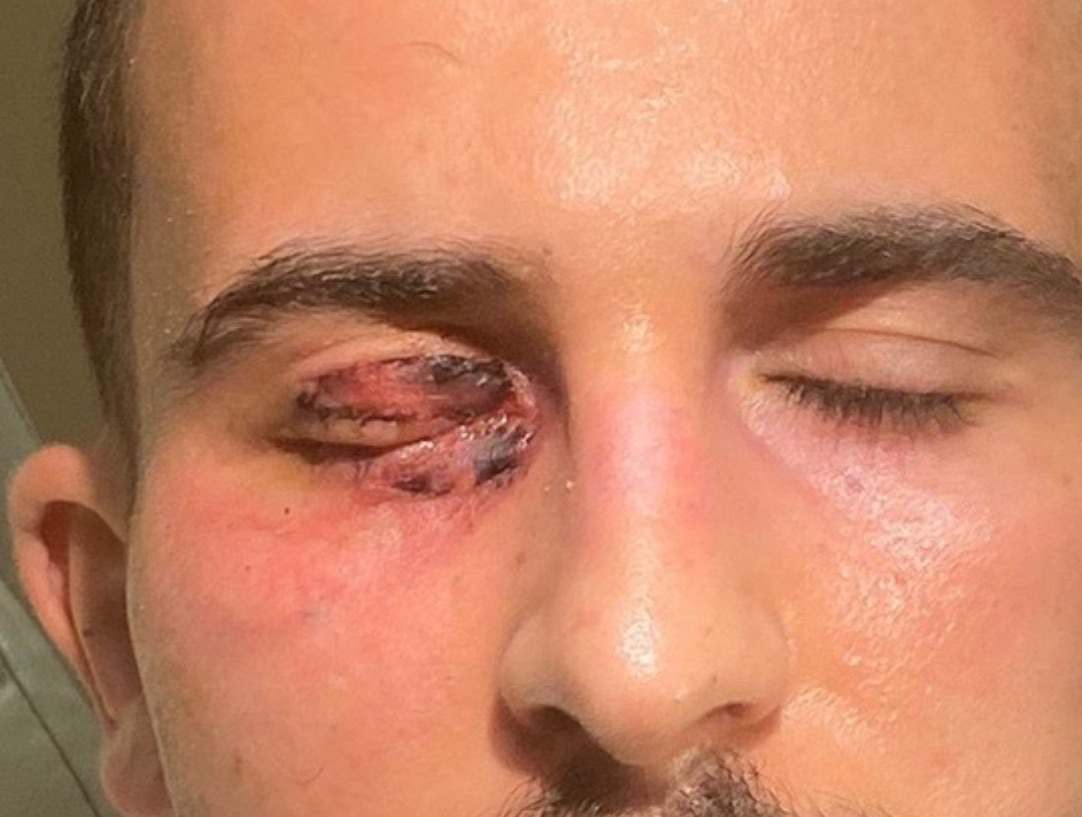
These images show the lid reconstruction performed by Dr. Nerad.
More than 2 years later, Mr. Elabdellaoui was in the news again—this time with “a miracle,” as he told the U.K.’s The Guardian. Earlier this year, Mr. Elabdellaoui was preparing for his first game with his team after a vision-restoring corneal transplant performed by Edward Holland, MD, Cincinnati, Ohio.
Dr. Holland, ASCRS Annual Meeting Program Chair, spoke about the case during the 2022 ASCRS Annual Meeting in April, describing it as his best surgical save of the year. According to The Guardian’s article, Mr. Elabdellaoui had light perception in his left eye, but his right eye was worse. In his case presentation, Dr. Holland said Mr. Elabdellaoui lost a significant part of his upper and lower eyelid and suffered severe corneal scarring.
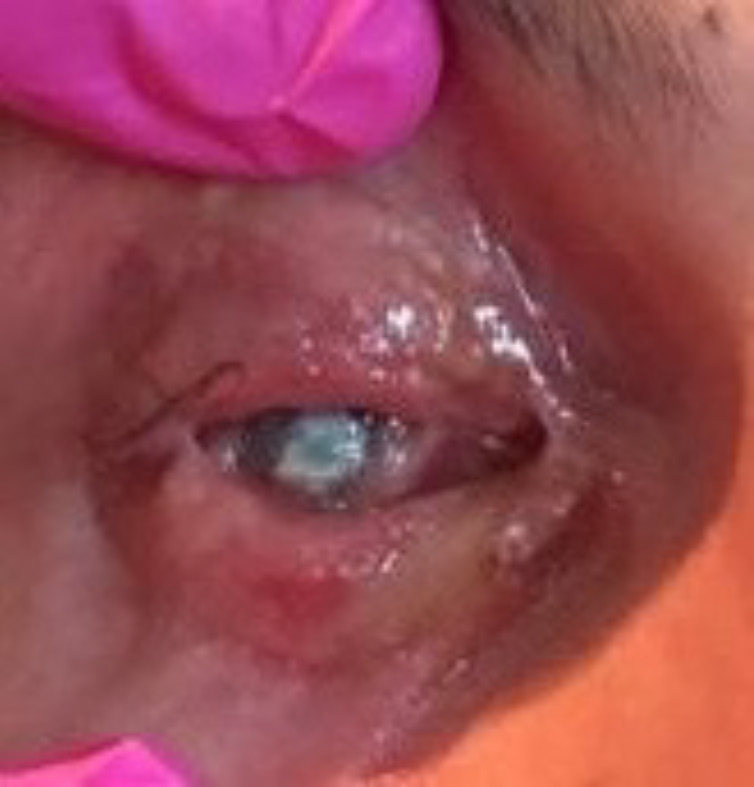
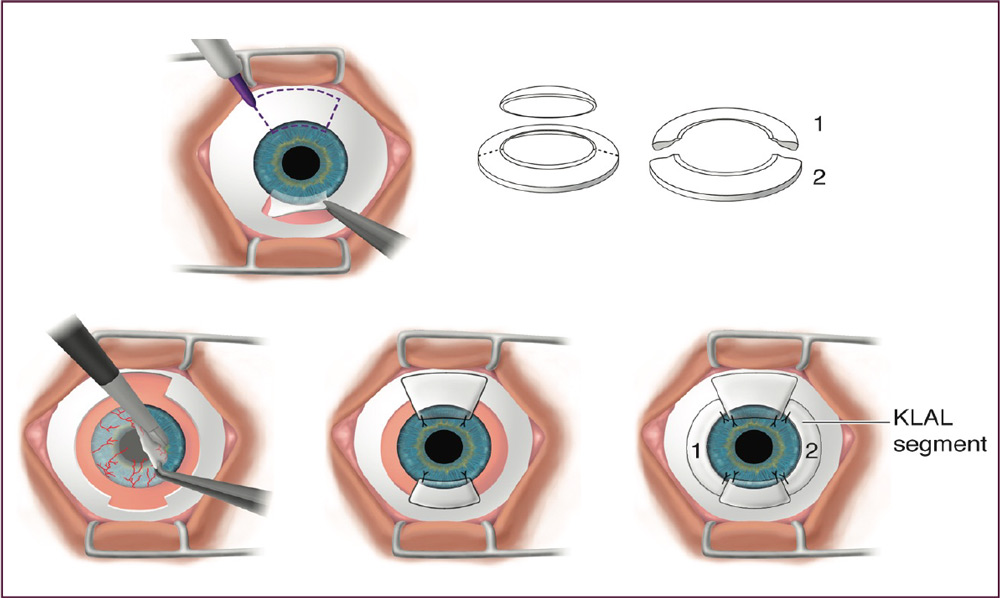
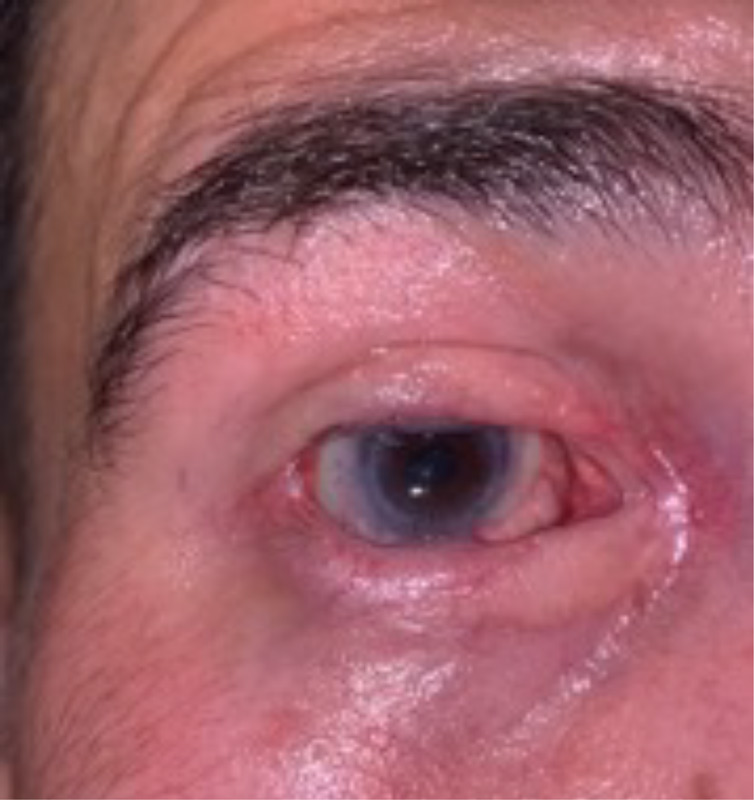
Dr. Holland managed the severe symblepharon and corneal scarring with the Cincinnati Procedure and subsequent corneal transplant.
Dr. Holland said his oculoplastic partner, Jeff Nerad, MD, was able to reconstruct an upper and lower lid for Mr. Elabdellaoui. A few months later, Dr. Holland described removing the scar tissue and inflamed tenons and performing an ocular surface stem cell transplant with conjunctival and limbal cells from Mr. Elabdellaoui’s sister, who was an exact match, with additional stem cells from a deceased donor. This stem cell procedure, which Dr. Holland called the Cincinnati Procedure, was pioneered by Dr. Holland and first described in 2011 in the journal Cornea. It is a combined living-related conjunctival limbal allograft and keratolimbal allograft.1
Source (all): Edward Holland, MD
The procedure involved deceased donor tissue from 3 to 9 o’clock, which contributed some stem cells, Dr. Holland said. From there, conjunctival and limbal stem cells from the patient’s sister’s eye were also contributed.
“The conjunctival limbal tissue not only supplies limbal stem cells but gives us … conjunctival epithelial cells and goblet cells and restores the ocular surface,” Dr. Holland said in his presentation.
At this point, he said, if they could get the procedure to work and restore the ocular surface health, “then we had a chance to come back and do a penetrating keratoplasty.” Dr. Holland said 3 months after the stem cell procedure, a PK was successfully performed.
Mr. Elabdellaoui, with vision restored in both eyes, was able to return to the field in February 2022. Dr. Holland said his vision was 20/40 in the worse eye. Prior to his return, Galatasaray S.K. had nine straight losses, Dr. Holland said in his presentation. Once the defender wearing #3 was back in the game, the team was five out of six.
“I was taking off the patch and had a bit of vision; I was closing my left eye and could actually see my hand on my right side; I could see all the movements on my right side that I hadn’t. It was a miracle, like a dream come true. You never think that to see is a dream—you just take that for granted,” Mr. Elabdellaoui told The Guardian.
Reference
- Biber JM, et al. The Cincinnati Procedure: technique and outcomes of combined living-related conjunctival limbal allografts and keratolimbal allografts in severe ocular surface failure. Cornea. 2011;30:765–771.