All articles from EyeWorld.org on the topic of cataracts. EyeWorld is the award-winning member publication of ASCRS. The magazine provides news and updates from the Society as well as clinical features in the areas of cataract, refractive, cornea, glaucoma, and practice management. It publishes quarterly with editorial direction from its medical editorial board and staff.
Despite being somewhat common, post-surgical ptosis is a multifactorial condition that can be minimized or treated, according to oculoplastics specialists who spoke to EyeWorld.
Uveitis following cataract surgery increases the risk of cystoid macular edema (CME), posterior synechiae, and secondary glaucoma, all of which may lead to delayed visual recovery or permanent visual loss. It is important to make the distinction between patients with pre-existing uveitis who undergo cataract surgery and those with no history of intraocular inflammation who develop uveitis after surgery.
Pre-existing strabismus and a family history of this are two red flags to look for when trying to head off diplopia in cataract patients, according to Kammi B. Gunton, M.D., assistant surgeon, Wills Eye Institute, Philadelphia. Investigators led by Dr. Gunton reported on the incidence and causes of diplopia following cataract and refractive surgery in the September 2010 issue of Current Opinions in Ophthalmology.
Presenting with a "completely dilated and non-reactive" pupil on postop day 1 can be nerve-wracking for the surgeon. Here's how one physician dealt with the complication.
Postop shields, ICL extraction are highlighted in two separate email discussions.
Making sense of an unusual occurrence
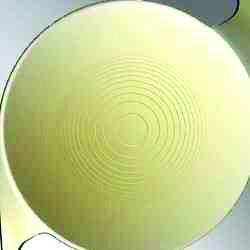
ReSTOR lens
Source: Alcon
Ever since their conception, multifocal intraocular lenses (IOLs) have been measured against their predecessor, monofocal lenses. With the appearance of accommodating lenses on the market in recent years, inevitable comparisons are now being drawn between multifocal lenses and the latest advancement in IOL technology. EyeWorld takes a look at the pros and cons of the lenses.
Each multifocal IOL design uses a different strategy to produce simultaneous near and distance images. Experimental work suggests that the optic design makes a difference for night vision.