Cataract
Summer 2026
by Kendall Donaldson, MD
Cataract Editor
As the warmth of summer surrounds us, we find ourselves in a season of growth and transformation—not just in nature, but also in the realm of cataract surgery. This issue of EyeWorld delves into the exciting advancements in digital technologies that are revolutionizing our field. Just as summer brings renewed energy, these innovations are breathing new life into how we approach cataract surgery, enhancing precision, outcomes, and patient care.
This issue spotlights groundbreaking insights from leading experts in the field. Each article offers a unique perspective on how digital advancements are shaping the future of cataract surgery.
“Digital revolution hits visualization for cataract surgery” features insights from renowned surgeons Uday Devgan, MD, FACS, Rosa Braga-Mele, MD, MEd, FRCSC, and Robert Weinstock, MD. It explores the transformative impact of digital visualization technologies on cataract surgery. Innovations such as 3D heads-up display systems and intraoperative optical coherence tomography (OCT) have revolutionized how surgeons visualize the eye during procedures. These tools enhance surgical precision, reduce surgeon fatigue, and improve training opportunities by allowing for a more ergonomic and immersive surgical experience. This article underscores how these advancements are not just about technology but about enhancing patient outcomes and surgeon well-being.
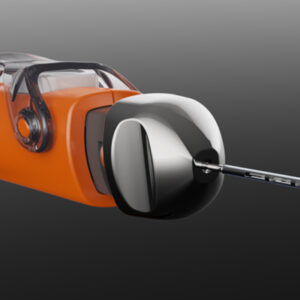
In another insightful article, “The rise of robotic cataract surgery: where the field stands and where it’s headed” Dr. Devgan, David F. Chang, MD, Rodrigo Quesada, MD, Kevin L. Waltz, MD, OD, and Boris Malyugin, MD, PhD, discuss the current state and future potential of robotic-assisted cataract surgery. This article highlights the pioneering steps being taken in integrating robotics into cataract procedures, promising enhanced precision and reproducibility. By reducing human error and improving surgical outcomes, robotic systems represent a significant leap forward in the field. The piece also addresses the challenges and opportunities ahead, envisioning a future where robotics become a standard tool in the cataract surgeon’s arsenal.
“AI, robotics, and surgical simulation: a 2026 ASCRS Annual Meeting highlight” encapsulates the key takeaways from a symposium on these topics at the 2026 ASCRS Annual Meeting, featuring thought leaders Katherine Talcott, MD, Vance Thompson, MD, David Cherwek, MD, Woong-Joo Whang, MD, Yu-Hsuan Huang, MD, PhD, Anshu Arundhati, MD, Pavel Stodulka, MD, PhD, Joaquín Fernández, MD, PhD, and H. Burkhard Dick, MD, PhD. The article underscores the growing role of AI in preoperative planning, real-time decision support, and postoperative analysis. Robotic advancements and surgical simulators are highlighted as pivotal in refining surgical skills and ensuring consistent outcomes. This piece captures the enthusiasm and forward-looking vision of the field, where the integration of digital technologies is paving the way for a new standard of care in cataract surgery.
As we navigate this exciting era of digital transformation, these articles collectively highlight how far we’ve come and the vast potential that lies ahead. The integration of advanced visualization systems, robotic assistance, and artificial intelligence not only enhances the precision and efficiency of cataract surgeries but also improves patient outcomes and expands the capabilities of surgeons. These innovations represent a paradigm shift in how we approach and execute cataract procedures.
As the Cataract Editor, I am thrilled to present these thought-provoking articles that not only reflect the current state of our field but also inspire us to continue pushing the boundaries of what is possible. The advancements we are witnessing are ushering in a new era of innovation and excellence in cataract surgery.
In this issue, we invite you to immerse yourself in the cutting-edge discussions and insights provided by our esteemed contributors. Let’s embrace this digital wave and continue to elevate the standards of care we provide to our patients. Enjoy the read, and let’s continue pushing the boundaries of what is possible in our field.