
Improving care in refractive surgery
Refractive Editor Karolinne Rocha, MD, gave an overview of the three articles in the section and shared some of her own experiences in practice.
Choosing the right type of practice to join is an important decision for ophthalmologists beginning their career, and it requires physicians to weigh a variety of factors. Two surgeons discussed their career paths, important factors in their journey, and other considerations in the decision-making process.
Even though there are more tools than ever in ophthalmologists’ dry eye toolkits, how to use these tools and the expanded treatment options—and get payment for them—is still a mixed bag. Three physicians weighed in on the topic.
Before giving readers a preview of the articles in the Cornea section, Julie Schallhorn, MD, shared a recent experience with AI that got her thinking about the field of ophthalmology. “Tools that once demanded specialized training are now within reach of any curious user,” she said.
Mitchell Weikert, MD, follows Sumit “Sam” Garg, MD, as the new Chief Medical Editor of EyeWorld. Dr. Weikert shared his extensive history with ASCRS, thanked Dr. Garg for his leadership, and highlighted the topics covered in this first issue of EyeWorld with him at the helm.
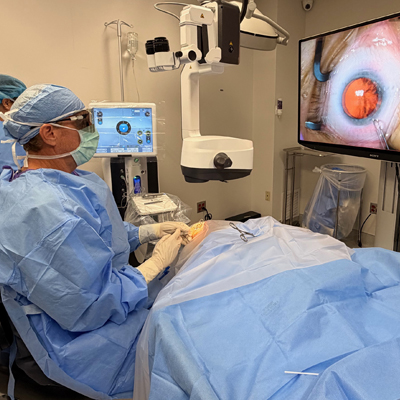
Digital visualization technologies are pushing cataract surgery toward increased precision, enhanced safety, and personalized care. Three surgeons shared their experience with digital operating technologies that have hit the market in the last decade—both wearable headsets and heads-up display systems.
Recently, visual simulator tools are becoming available within ophthalmology to help demonstrate the vision of certain lenses and aid patients in understanding the options available. EyeWorld spoke to several doctors about the utility of this technology, as well as about specific products.
There are many available technologies in the ophthalmologist’s toolkit for the corneal practice. EyeWorld spoke to three ophthalmologists to get their thoughts on advanced imaging options in cornea, including some of the newer technologies.
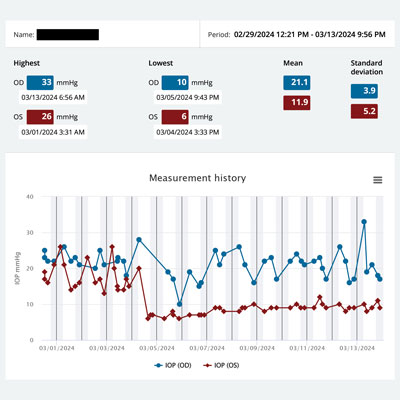
When it comes to development and utilization of big data and AI for diagnostic and patient care decisions, there is a lot of work being done in this area to advance glaucoma care to being more proactive rather than reactive. Read what two ophthalmologists had to say on this topic.
While digital tools have current and future applications in the clinic and the OR for ophthalmology, many practices are finding efficiencies with new technologies on the management side. Members of the ASCRS Digital Clinical Committee weighed in on new tools that may help with the practice management of ophthalmology.