
Recently released
Articles from the most recent issue of EyeWorld are posted weekly on eyeworld.org.
-
 “Inspired by History. Defining the Future.”ASCRS NewsIn his introduction to the Spring issue, EyeWorld Chief Medical Editor Sumit “Sam” Garg, MD, discussed the 50th anniversary of the Society and highlighted some key events happening at the 2024 ASCRS Annual Meeting.
 -
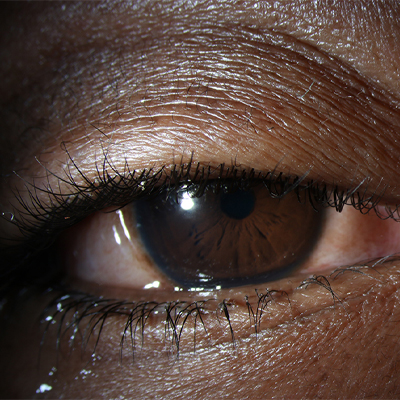 Handling persistent foreign body sensationCataractForeign body sensation is a common issue that may be associated with a wide range of conditions and may present with different signs and symptoms. Two ophthalmologists discussed this problem, including when they’re most likely to see it and how to diagnose it.
 -
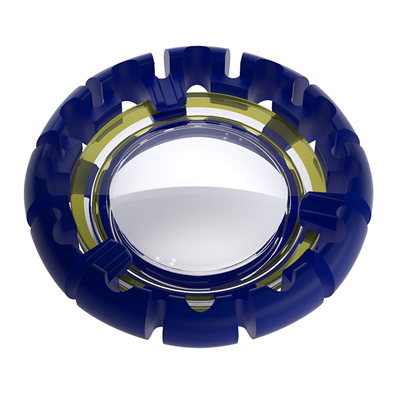 Current accommodating lenses in developmentRefractiveCreating a true accommodating lens has been a goal for some time in ophthalmology. Several ophthalmologists discussed some of the products currently in development in this space and what makes them unique.
 -
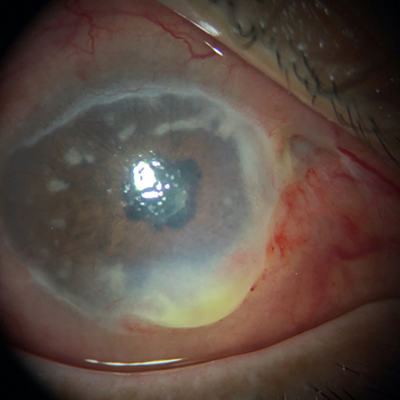 Peripheral ulcerative keratitis diagnosis and managementCorneaPeripheral ulcerative keratitis is an inflammatory condition that typically affects the peripheral cornea leading to corneal thinning and corneal melt. It is commonly associated with an underlying autoimmune process. Two physicians shared their experiences with diagnosis and management of the condition.
 -
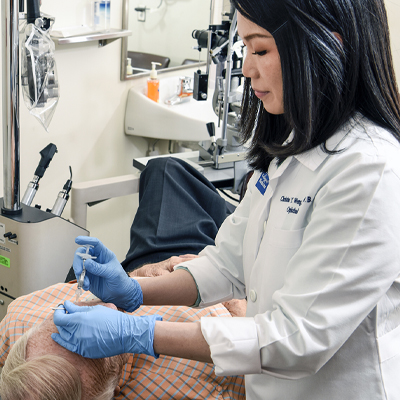 The effect of intravitreal injections on glaucoma proceduresGlaucomaAnti-VEGF intravitreal injections may have some effect on the success of glaucoma procedures, and a retina specialist and glaucoma specialist agreed that this is dependent on the patient.
 -
 Being organized can boost your practicePractice ManagementBeing organized and understanding every component of a practice is not merely helpful, it is essential. This Practice Management column provided a checklist of what needs to be tracked and well organized regularly.
EyeWorld archives
This archive represents a sample of EyeWorld’s archived content. For more complete and comprehensive archives, please visit hub.eyeworld.org.
-
What’s new in the world of IOLsMarch 2021New optical qualities, new materials, preloaded inserters, and the possibility of accommodative abilities: There has been quite a bit of movement in IOL innovations, some of which are available in the U.S., while others are still on the horizon.
-
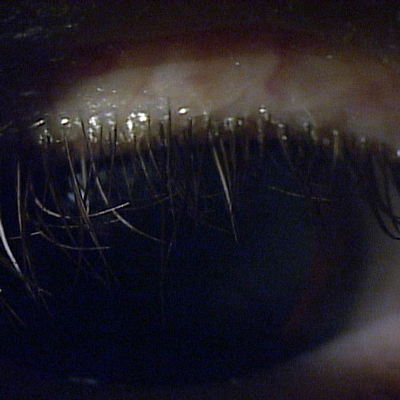 Dry eye during the COVID-19 pandemicNovember 2020With the COVID-19 pandemic temporarily closing practices around the country, many ophthalmologists had to figure out how to still communicate with and treat their patients. Several physicians commented on how the pandemic has affected their dry eye patient population and trends they have seen.
 -
Phaco fundamentals: How and when to adjust your settingsAugust 2016Those unfamiliar with fluidics in the eye might not risk changing settings on their phacoemulsification machine and could thus be missing out on significant safety and efficiency opportunities. Learn about personalizing your phaco settings.
Flipbooks
Read digital flipbook versions of the print magazine from 2011 to the present on the EyeWorld hub.



Follow ASCRS and EyeWorld on social media: